



We are sensual
low self esteem
from the way you operate
like a machine
temperamental
you sometimes break down
you should try to all survive
close to the ground
why am i often in pain?
why is my brain not like other people's brain?
i see you
i can see who you are
i can see you
i can see who you are
can you see me?
see who i am
do you know me?
do you know what i like?
do you understand?
hands raised to heaven
with a boy against the world
your father was a preacher
you aren't the son of man
the son was always there though
he was looking for someone
with whom to share his twilight years
the son was always there though
he was looking for someone
with whom to share his twilight years
my career is so surreal
can we renegotiate part of the deal?
why am i often in pain?
why is my brain not like other people's brain?
i can see you
i can see who you are
why let the train take the strain?
how does the man in the moon know my name?
i see you
i can see who you are
i can see you
i can see who you are
can you see me
see who i am?
do you know me?
do you know what i'm like?
do you understand?
cos i see you
i see who you are
can you see me
see who i am?
do you know me?
do you know what i'm like?
do you understand?
Tears for Fears è un duo musicale britannico formatosi a Bath nel 1981 da Roland Orzabal (chitarra, voce) e Curt Smith (basso, voce). Il loro sound, caratterizzato da atmosfere synth-pop introspettive e testi che esplorano temi come l'ansia, la depressione e la solitudine, li ha catapultati al successo internazionale negli anni '80. Shout (1985) e Everybody Wants to Rule the World (1985) sono diventate hit planetarie, consacrando il gruppo come uno dei pilastri della new wave. Dopo un periodo di pausa, Tears for Fears ha fatto ritorno con successo negli anni '90 e 2000, pubblicando album come "Elemental" (1993) e "Everybody Loves a Happy Ending" (2004). Tra i brani più rappresentativi del loro repertorio figurano anche "Mad World", "Pale Shelter" e "Advice for the Young at Heart".

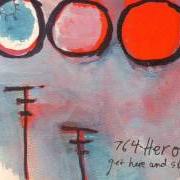 764-Hero
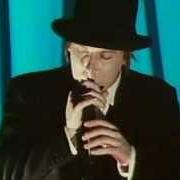 The Wolfgang Press
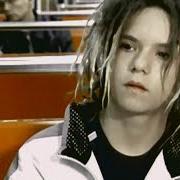 Freestylers
 Mungo Jerry
 Tom Mcrae
 Matt Bellamy
 Menswear
 Riblja Corba
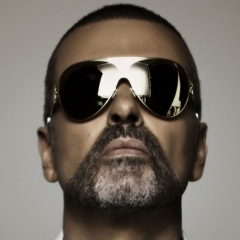 George Michael
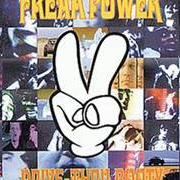 Freak Power
 The Damned
 Wolf Gang