





It's quarter to three, there's no one in the place
Except you and me So set 'em' up Joe, I got a little story
I think you should know We're drinking my friend,to the end of a brief episode
Make it one for my baby
And one more for the road I got the routine, put another nickel In the machine
Feeling so bad, won't you make the music
Easy and sad
I could tell you a lot, but it's not
In a gentleman's code
Just make it one for my baby
And one more for the road You'd never know it, but buddy I'm a kind of poet
And I've got a lot of things I'd like to say
And when I'm gloomy, won't ya listen to me
Till it's talked away Well, that's how it goes, and Joe I know your gettin'Anxious to close
Thanks for the cheer
I hope you didn't mind
My bending your ear
But this torch that I found, It's gotta be drowned
Or it's soon might explode
Make it one for my baby
And one more for the road Long, it's so long, winding road
Marvin Gaye, nato Marvin Pentz Gay Jr. (Washington D.C., 2 aprile 1939 – Los Angeles, 1 aprile 1984), è stato un cantautore, produttore discografico e arrangiatore statunitense considerato uno dei più grandi artisti della musica soul e R and B. Iniziò la sua carriera come cantante gospel negli anni '50, per poi passare alla Motown nel 1961. Con il suo stile vocale morbido e melodico, le sue canzoni spesso incentrate su temi sociali e personali come l'amore, la guerra e la giustizia sociale, Gaye conquistò un pubblico internazionale. Tra i suoi successi più famosi figurano "Let's Get It On", "Sexual Healing", "What's Going On" e "Ain't No Mountain High Enough". Quest'ultimo brano, realizzato in duetto con Tammi Terrell, divenne un inno di speranza e unità. Gaye ricevette numerosi premi, tra cui sei Grammy Awards, e il suo album "What's Going On" è considerato un capolavoro della musica soul. La sua vita fu segnata da problemi personali e dipendenze, che culminarono nel tragico omicidio del padre da parte di Marvin stesso nel 1984.

Pharrell Williams e Robin Thicke hanno compiuto un plagio nei confronti di Marvin Gaye. Lo ha stabilito la nona corte d'appello federale americana, confermando quanto già sentenziato dal tribunale federale di Los Angeles nel 2015.

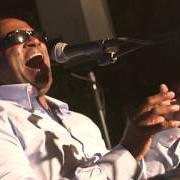 Ellis Hall
 Helium
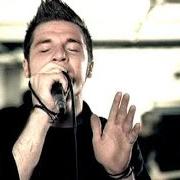 Dead Poetic
 Ben Sollee
 Josh Todd
 Sasha Dobson
 Silversun Pickups
 Sense Field
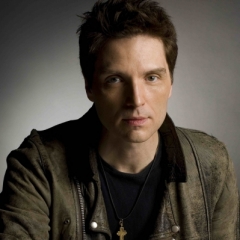 Richard Marx
 Renee Olstead
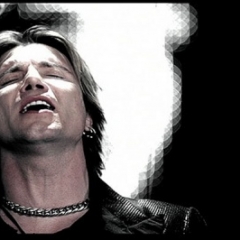 Goo Goo Dolls
 David Homyk