










[Spoken]
What I've realized since is that it's a very painful process but it is not destructive. It's the world deliberation. And what really happened in the sixties was that this country took just the first step toward admitting that it had been wrong on race, and creativity burst out in all directions.
From the color of the faces in Sunday songs
To the hatred they raised all the youngsters on
Once upon a time in this country, long ago
She knew there was something wrong
Because the song said "yellow, red, black, and white
Every one precious in the path of Christ"
But what about the daughter
Of the woman cleaning their house?
Wasn't she a child they were singin' about?
And if Jesus loves us, black and white skin
Why didn't her white mother invite them in?
When did it become a room for no blacks to step in?
How did she already know not to ask the question?
Left lasting impressions
Adolescent's comfort's gone
She never thought things would ever change,
But she always knew there was something wrong.
Always knew there was somethin' wrong.
She always knew there was somethin' wrong.
Years later, she found herself
Mississippi bound to help
Stop the legalized lynching of Mr. Willy McGee.
But they couldn't stop it,
So they thought that they'd talk to the governor about what'd happened
And say, "We're tired of being used as an excuse to kill black men."
But the cops wouldn't let 'em past
And these women, they struck 'em as uppity
So they hauled 'em all off to jail
And they called in protective custody.
Then from her cell
She heard her jailers
Grumblin' about "outsiders".
When she called 'em out
And said she was from the south, they shouted,
"Why is a nice, Southern lady makin' trouble
For the governor?"
She said, "I guess I'm not your type of lady,
And I guess I'm not your type of Southerner,
But before you call me traitor,
Well it's plain as just to say (?)
I was a child in Mississippi
but I'm ashamed of it today."
She always knew there was somethin' wrong.
She always knew there was somethin' wrong.
She always knew there was somethin' wrong.
She always knew there was somethin' wrong.
([spoken] And, all of a sudden, I realized I was on the other side)
Imagine the world that you're standing within
All of your neighbors, they're family-friends.
How would you cope facing the fact
The flesh on their hands was tainted with sin?
She faced this every day.
People she saw on a regular basis;
People she loved, in several cases;
People she knew were incredibly racist.
It was painful, but she never stopped loving them,
Never stopped callin' their names
And she never stopped being a Southern woman
And she never stopped fighting for change.
And she saw that her struggle was
in the tradition of ancestors never aware of her (?)
It continues today:
The soul of a Southerner
born of the other America.
She always knew there was somethin' wrong.
She always knew there was somethin' wrong.
She always knew there was somethin' wrong.
She always knew there was somethin' wrong.
[spoken]
What you win in the immediate battles is little compared to the effort you put into it but if you see that as a part of this total movement to build a new world, you know what could be (????? "oooh, ooooh"). You do have a choice. You don't have to be a part of the world of the lynchers. You can join the other America. There is another America!
Il testo ANNE BRADEN di THE FLOBOTS è presente anche nell'album Fight with tools (2008)
Il comparto sonoro è uno degli elementi più importanti ma meno notati nel mondo del videogioco. Una colonna sonora azzeccata trasforma un'azione semplice in un momento indimenticabile, guida la concentrazione e crea un legame emotivo con lo schermo. Dai primi bip elettronici degli anni Settanta fino alle composizioni orchestrali contemporanee, il suono ha smesso di essere un semplice contorno per diventare un motore d'immersione fondamentale in qualsiasi software interattivo.
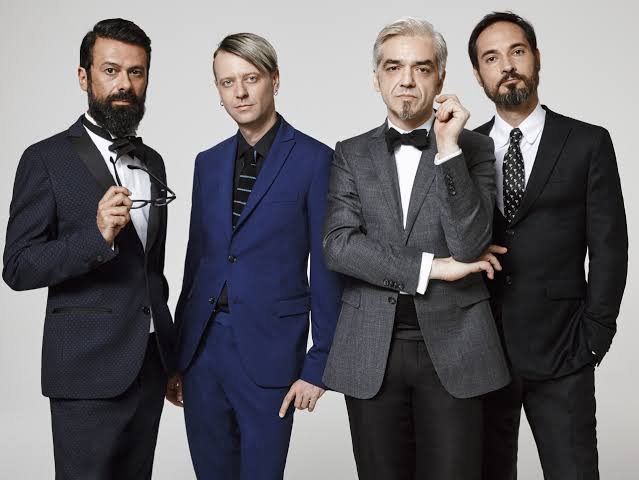
Dopo il grande riscontro nei liv del periodo primavera estate 2026, i Bluvertigo sono pronti per il nuovo album, con una notevole quantità di brani già pronti.
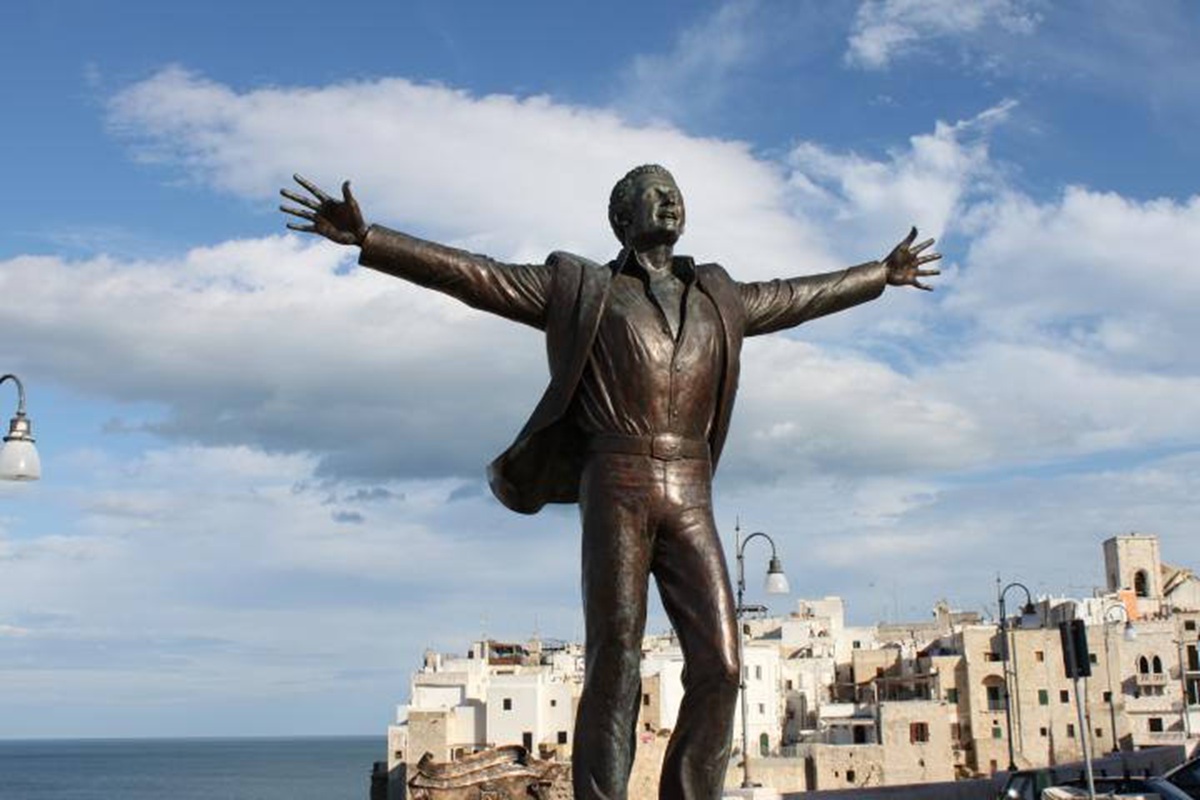
Volare è una delle aspirazioni più antiche dell'essere umano. Prima ancora che la tecnologia rendesse possibile attraversare il cielo, il volo rappresentava già la libertà, il superamento dei limiti e la possibilità di osservare il mondo da una prospettiva diversa. Nel corso dei secoli, questo desiderio ha trovato spazio nei miti, nella letteratura, nel cinema, nei giochi e, soprattutto, nella musica. Dal mito greco di Icaro ai disegni delle macchine volanti di Leonardo da Vinci, l'uomo ha sempre provato a trasformare il cielo in un luogo da raggiungere. Il volo, però, non è soltanto un movimento fisico: è anche una potente metafora della fantasia, dell'amore, del successo e della fuga dalla quotidianità.
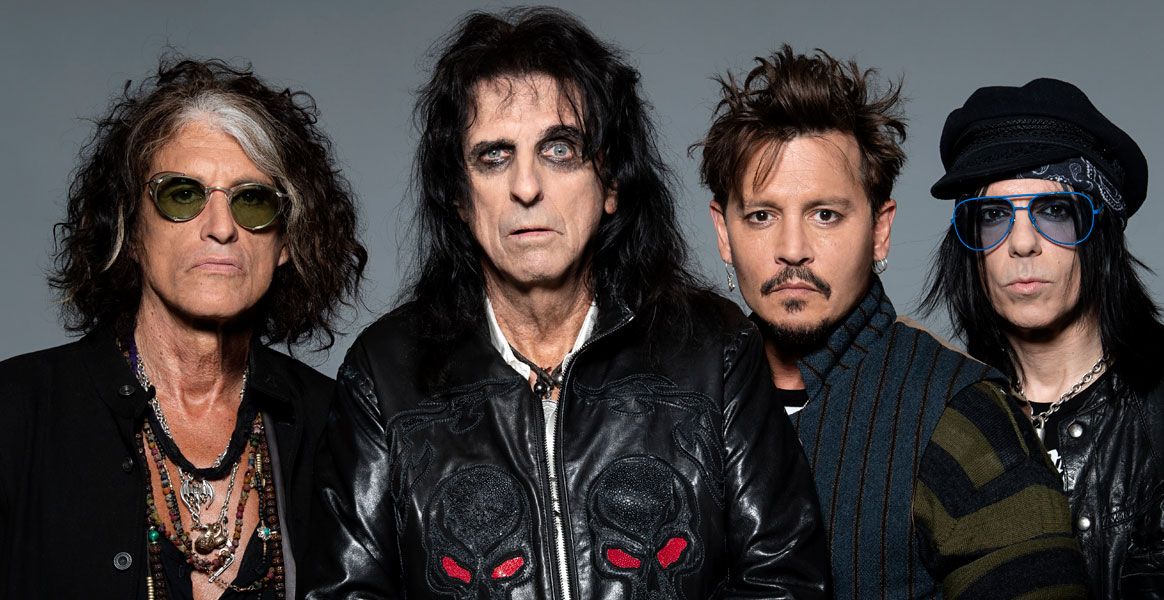
Il supergruppo di Alice Cooper e Johnny Depp è pronto a tornare in Italia con 2 date nel mese di settembre.
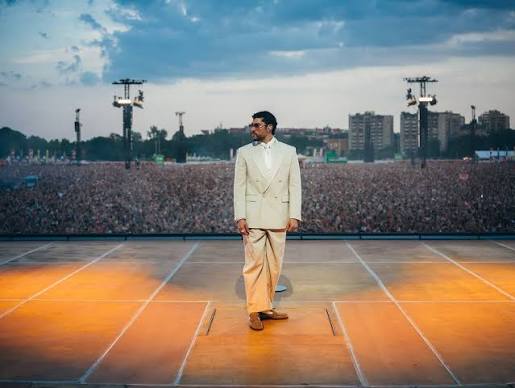
"Era uno dei concerti migliori della mia vita". Bad Bunny è tornato a parlare dell'evento tenuto sabato scorso all'Ippodromo La Maura nella zona San Siro di Milano. E la grandine riapre il problema sicurezza dell'impianto.
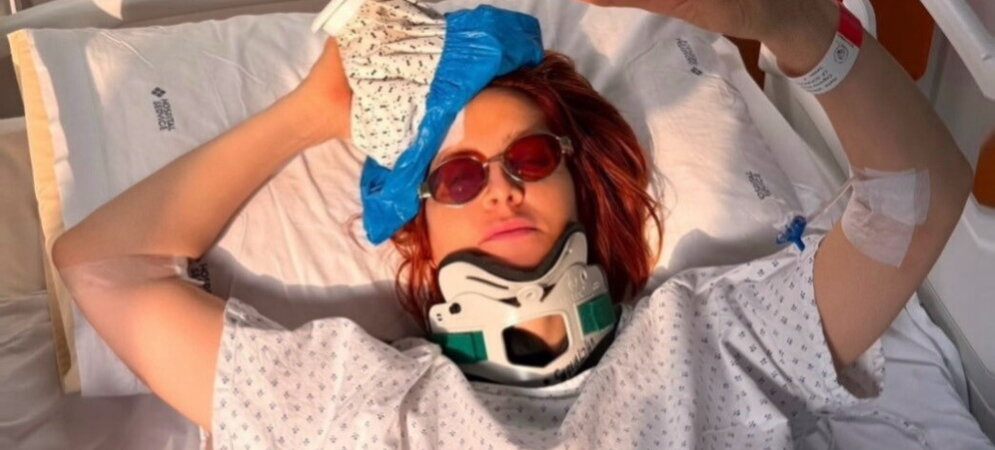
Noemi dovrà osservare 4 settimane di riposo dopo la caduta, ma dal 16 agosto sarà un tour de force per recuperare i live rinviati. Ecco tutte le date fino a settembre.
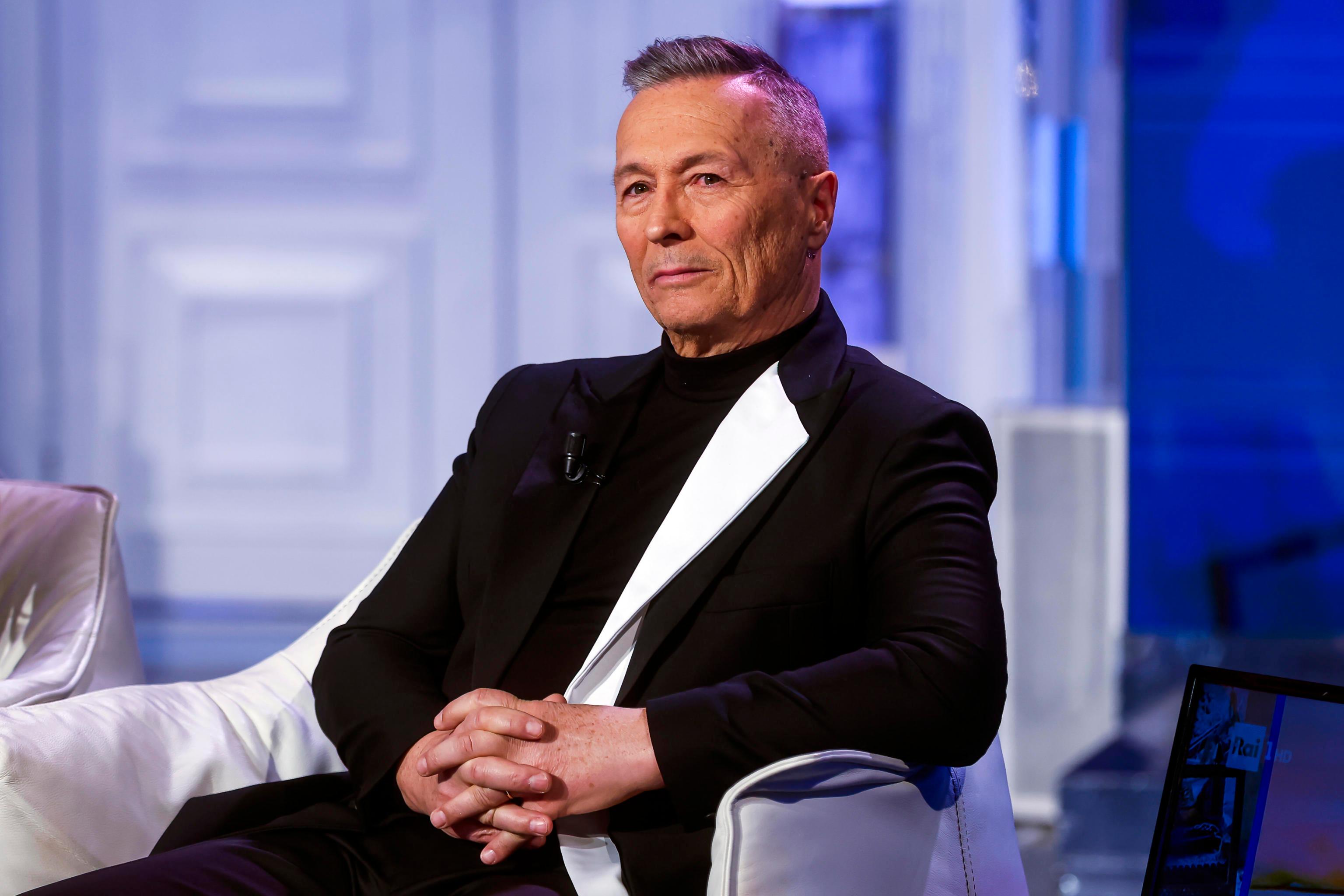
Lo scorso 13 luglio Paolo Belli era in bicicletta tra Correggio e Campagnola, in provincia di Reggio Emilia, per la sua solita sgambata, quando ha investito un uomo di 41 anni di nome Alessandro Mignani che, trasportato in ospedale, dopo 1 giorno in terapia intensiva, è deceduto.
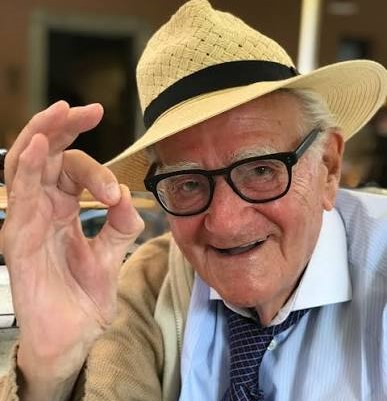
L'11 luglio Teddy Reno ha compiuto 100 anni! E' il primo cantante italiano a raggiungere questo traguardo.
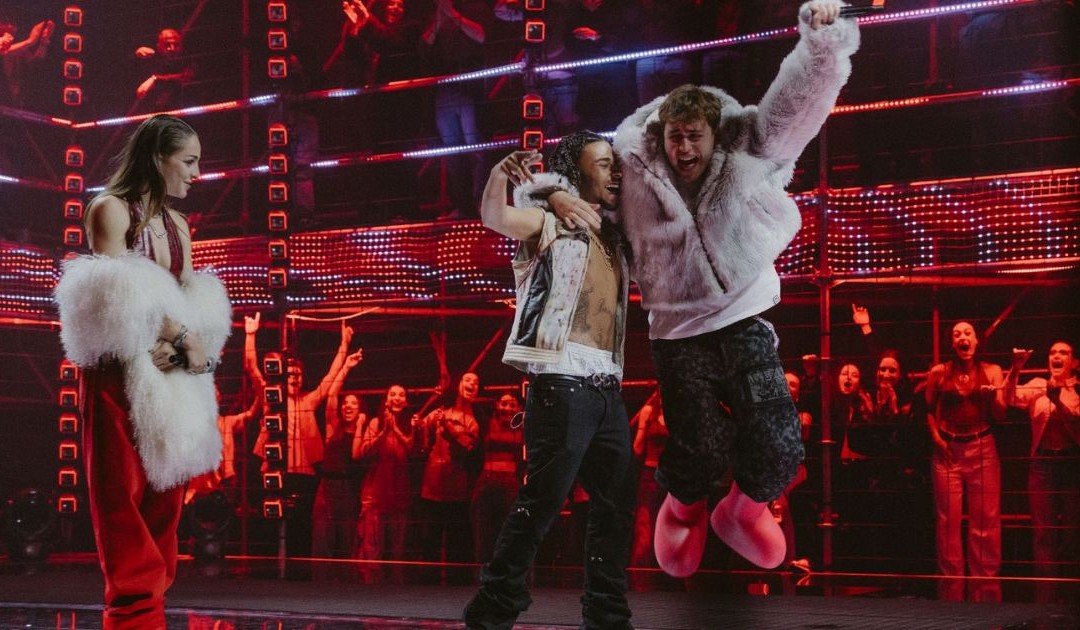
Nella terza edizione di "Nuova Scena", talent dedicato al mondo rap in onda su Netflix, si sono aggiudicati la vittoria i cosentini Flextony e Tigerplug.

 Emily Van Evera
 Chubb Rock
 Chris Wallace
 Akon
Akon
 Kurt Vile
 Zeke
Zeke
 Isyss
Isyss
 Monsters Of Folk
 B. J. Thomas
 Every Avenue
 Dr. Dog
 Riot
Riot