









A man was sleeping under a tree.
He wrote to me from Cordoba.After the theatre, we went to his house.He's very generous Cordoban. We waited at the door, but he didn't come. According to his father, he's very ill. There was a long line of cars in front of me. I came as soon as I could.
I left without paying, a suitcase under my arm. I won't see you until Sunday. I'll come as soon as I can.I'll meet you alone in the shoeshop near the bakery.
By the two-storey house/very pretty/like a villa. The lift stops between two floors.
You start to walk towards the station. Walk towards the bus. We'll have to wait at the station. Leave the parcel on the top deck. You start to walk towards the station.I'll walk towards the bus.
You walk towards the station.I'll walk towards the bus.
You walk towards the station.I'll walk towards the bus.
You walk towards the station.I'll walk towards the bus.
John Cale è un musicista e compositore gallese, nato nel 1942. Dopo aver studiato musica a Londra e New York, si è unito ai The Velvet Underground nel 1965, contribuendo in modo significativo al loro sound sperimentale e distintivo nei primi due album. Cale introdusse il suono drone della viola, elemento caratteristico di brani come "Venus In Furs". Dopo l'album "White Light/White Heat", ha lasciato la band a causa di divergenze musicali con Lou Reed. Cale desiderava continuare ad esplorare sonorità sperimentali, mentre Reed si orientava verso canzoni pop più semplici. Cale ha intrapreso una carriera solista di successo, pubblicando album come "Vintage Violence" (1970) e "Paris 1919" (1973), influenzando generi musicali come il rock sperimentale, l'ambient e la musica elettronica. Tra i suoi brani più rappresentativi si ricordano "Gideon", "The Endless Plain of Glass" e "Hallelujah".

Talento puro ignorato in vita, fino al suicidio. Oggi è di culto.

 Skyforger
 Allred
 Bill Gaither
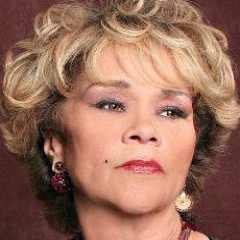 Etta James
 Del tha Funkee Homosapien
 Nicole Scherzinger
 Neshama Carlebach
 Neal Morse
 Pop Evil
 Benjamin Tod
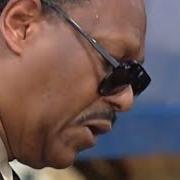 Mccoy Tyner
 Eve'S Plum