





Hide in the midnight turn out the lights you'll see them anyway
Sail into never they'll follow wherever you can go and take you to the places you don't know no no
It's the call of the city the way that black's pretty to the purest heart
It's places of pleasure they promise you treasure if you fly and then there goes the soul of you and I
Oh do you ever think about the way I caught the rainbow I'll be there where fire makes you dance
I'm gonna give you the look that opens up the skies I've got evil eyes evil eyes evil eyes evil eyes
Yes evil eyes oh those eyes
Hide in the night time turn out the light they'll see you anyway
Sail into never they'll follow wherever you can go evil eyes evil eyes evil eyes evil eyes
Evil eyes evil eyes take your lies evil eyes you're a thin disguise for what you are evil eyes
Say that you never the'll follow forever 'cause they're evil eyes evil evil evil evil evil evil eyes
Ronnie James Dio, nato Ronald James Padavona (10 luglio 1942 – 16 maggio 2010), è stato un cantante e compositore statunitense di fama mondiale. Considerato uno dei più grandi cantanti heavy metal di tutti i tempi, Dio ha lasciato un'impronta indelebile sulla musica rock con la sua voce potente e distintiva, le liriche spesso epiche e il suo stile teatrale sul palco. Iniziò la sua carriera negli anni '60 con band come The Elves e Elf, prima di raggiungere la fama internazionale come cantante dei Rainbow (1975-1978) e Black Sabbath (1979-1982). Dopo aver lasciato il gruppo britannico, Dio formò la propria band, Dio, che ottenne un grande successo negli anni '80 con album come "Holy Diver" (1983), "The Last in Line" (1984) e "Sacred Heart" (1985). Le sue canzoni più famose includono "Rainbow in the Dark", "Holy Diver", "Stand Up and Shout" e "Man on the Silver Mountain". Dio ha collaborato con numerosi artisti, tra cui Tony Iommi, Vivian Campbell e Vinny Appice. La sua influenza sul genere heavy metal è immensa, ispirando generazioni di musicisti.

Ronnie James Dio è considerato uno dei cantanti metal più versatili di sempre, nonché uno dei primi a utilizzare il gesto delle corna durante le esibizioni. E allora è lecito chiedersi da dove provenga e che significato abbia, anche perchè poi è stato ripreso da tanti altri artisti, diventando ricorrente nel mondo rock e heavy.

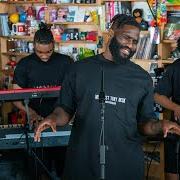 Tobe Nwigwe
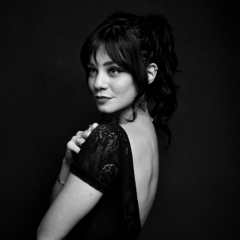 Vanessa Hudgens
 Michael Card
 American Head Charge
 Dilated Peoples
 Big Punisher
 Lil Pump
 Olivia O'Brien
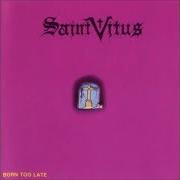 Saint Vitus
 Marc Broussard
 Tony Rich
 Jc Caylen