









These lines in my face, caused from worry,
Grow deeper as you walk out of sight.
Mine is the face of a fighter,
But my heart has just lost the fight.
Round one: you told me you loved me,
An' I felt my heart falling there an' then.
The last round: you walked tall an' left me,
An' I guess my heart's losin' again.
Mine is the face of a fighter:
I fought for your love with all my might.
Mine is the face of fighter,
But my heart has just lost the fight.
Instrumental break.
Yes, mine is the face of a fighter:
I fought for your love with all my might.
Mine is the face of fighter,
But my heart has just lost the fight.
Willie Hugh Nelson (Abbott, Texas, 29 aprile 1933) è un leggendario cantautore, chitarrista, attore, scrittore e attivista statunitense. Considerato uno dei pilastri della musica country moderna, Nelson ha attraversato decenni di successo con una carriera che abbraccia il folk, il blues, la musica western e persino l'elettronica. La sua chitarra iconica, Trigger, è diventata un simbolo del suo stile unico e riconoscibile. ?? Nelson ha pubblicato oltre 70 album in studio, vendendo milioni di copie in tutto il mondo. Tra i suoi brani più famosi figurano "On the Road Again", "Always on My Mind", "Crazy" e "Blue Eyes Crying in the Rain". Nel corso della sua carriera ha collaborato con artisti come Waylon Jennings, Kris Kristofferson e Johnny Cash, formando la leggendaria band outlaw country. Nel 1985 ha fondato Farm Aid, un'organizzazione benefica dedicata a sostenere gli agricoltori americani in difficoltà. Oltre alla musica, Nelson è anche un apprezzato attore cinematografico e televisivo, con ruoli in film come "Stagecoach" e serie TV come "The Simpsons". Nel 2018 ha ricevuto la Presidential Medal of Freedom, il più alto riconoscimento civile negli Stati Uniti.

Quando si scrive un articolo su Michael Bublé la prima cosa da tenere presente è azzeccare il posizionamento dell'h nel suo nome. Oggi bisogna fare altrettanto per il titolo del suo nuovo album, che di h ne contiene ben 2: "Higher".

Secondo uno studio realizzato dalla Mississippi State University, la musica degli ACDC costituisce inquinamento acustico, al punto da essere potenzialmente dannosa per l'ecosistema!

 T-Pain
 The Airborne Toxic Event
 Hope Partlow
 William Fitzsimmons
 Blanks 77
 Hoobastank
 Shovels And Rope
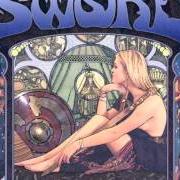 The Sword
 Dead Boys
 Juicy J
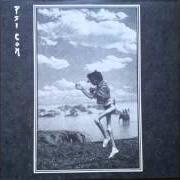 Psi Com
 Braid