








Remember the days of the old schoolyard
We used to laugh a lot, oh don't you
Remember the days of the old schoolyard
When we had imaginings and we had
All kinds of things and we laughed
And needed love... yes, I do
Oh and I remember you
Remember the days of the old schoolyard
We used to cry a lot, oh don't you
Remember the days of the old schoolyard
When we had simplicity and we had
Warm toast for tea and we laughed
And needed love.. yes, I do
Oh and I remember you
You were my sweet love, my first sweet love
My lovey dove, my love lovey dove
No matter what place, whichever the place
I still see your face, your smiling face
In childish dreams, inside my dreams
Like king and queen, God save our dreams
N'though time may face, though time may fade
It ain't never too late, to learn about love
Learn about love
Remember the days of the old schoolyard
We used to laugh a lot, oh don't you
Remember the days of the old schoolyard
When we had imaginings and we had
All kinds of things and we laughed
And needed love... yes, I do
Oh and I remember you
Cat Stevens, pseudonimo di Steven Demetre Georgiou, è un cantautore britannico nato a Londra il 21 luglio 1948. Attivo dal fine degli anni '60 fino al 1978, ha poi abbracciato l'Islam e cambiato nome in Yusuf Islam, continuando la sua carriera musicale con un approccio più spirituale. Stevens è noto per le sue melodie folk-rock malinconiche e introspettive, spesso accompagnate da testi poetici che esplorano temi di amore, perdita, fede e spiritualità. Tra i suoi brani più celebri figurano "Wild World", "Father and Son" e "Peace Train". L'album "Tea for the Tillerman" (1970) è considerato un classico del folk-rock britannico. Dopo il suo periodo di conversione, Yusuf Islam ha continuato a pubblicare musica con testi più religiosi, ma ha sempre mantenuto una sensibilità musicale raffinata e poetica.
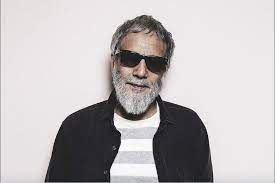
Ho letto una recente intervista di Yusuf/ Cat Stevens che mi ha molto commossa. L'artista britannico ha infatti dichiarato al Corriere della Sera, che ripensando al suo brano "Peace Train", si sente di affermare che quel treno non è mai partito: " vivere con gli altri è una vera e

 Mandalay
 Riblja Corba
 Jacob Banks
 Hughes Turner Project
 Bbmak
 Nicholas Hooper
 Paul Young
 Tracey Ullman
 Pete Townshend
 Wayne
 Honeyz
 Holocaust