









In 2104, lithological excavations at the Fourth Mars Colony unearthed
an artifact of unknown, seemingly non-human origin; an icosahedron of
an unrecognized, non terrestrial metallic composition, inscribed with
strange, indecipherable sigils and glyphs.
After long months of intense study, epigraphy experts on Earth ascertained
a tenuous parallel between the unknown language on the icosaherdon and
certain obscure Aztec hieroglyphics, and thus were able to extrapolate
a meaning from the unearthly inscriptions.
The translation spoke of a legendary repository of ultimate knowledge
known as the Empyreal Lexicon... a codex of alien origin said to contain
incredible cosmic secrets; arcane words and psionic waves of power which
were the keys to unlocking a network of cerebral-transferrence portals
linking the myriad galaxies of the multiverse, and also the means to
transcend the boundaries of the space-time continuum, enabling corporeal
beings to travel between dimensions and traverse at will the unknown
realms which lay between universes, tapping into the limitless energies
which permeated the sidereal fabric of the cosmos.
The translation of the Mars icosaherdon also hinted disturbingly at a
great pangalactic conflict which was waged over the possession of the
codex between the mysterious cosmic beings who had appointed themselves
the keepers of the Lexicon and some terrifying shadowy foe mentioned
only fleetingly in the alien text.
The final battle in this cataclysmic power struggle was apparently fought
in Earth's own solar system, and the Keepers of the Lexicon, their power
depleted and teetering on the verge of defeat, shattered the codex into
a myriad shards, scattering the fragments across the star system in order
to prevent the secrets of the Lexicon from falling into the hands of their
darksome nemesis.
According to the Martian artifact, several fragments of the Lexicon
were hidden on the third planet from the sun, the Earth itself.
One fragment was secreted in ancient Atlantis, another in Lemuria.
Further pieces of the cosmic codex fell to earth in Ys and eon-veiled Mu.
Still further fragments of the Lexicon were said to have been hidden
somewhere beneath the frozen surface of the bleak moon Callisto, and
on the other mysterious orbs Hyperion and Titan.
Lastly, the alien artifact spoke mysteriously of something hidden
beneath the cratered surface of Earth's own Moon.
Ascertaining co-ordinates from the Mars icosahedron, an expedition
embarked immediately from the Epsilon IV Moon Base and began
to excavate the lunar sphere.
Thus was a veiled warning unheeded, and no one could know what
to expect as the machinations of humankind breached the ancient
surface of the moon's Mare Imbrium...
Il testo PROLOGUE dei BAL-SAGOTH è presente anche nell'album The power cosmic (1999)
Bal-Sagoth è una band di symphonic black metal proveniente dallo Yorkshire, in Inghilterra. Fondata nel 1993, la band si distingue per l'utilizzo di orchestrali e cori che arricchiscono le strutture musicali tipiche del genere black metal. Le loro liriche spesso esplorano temi fantasy, mitologia e letteratura gotica, creando un universo sonoro epico e immaginifico. Tra i brani più rappresentativi figurano "The Power of the Dark Lord", "A Crimson Shadow" e "Beneath a Blood Red Sky". L'album di debutto "Starfire Infernò" (1996) è considerato un punto di riferimento nel panorama del symphonic black metal. Bal-Sagoth ha collaborato con artisti come l'illustratore fantasy John Blanche, che ha contribuito alla realizzazione delle loro copertine.

Il comparto sonoro è uno degli elementi più importanti ma meno notati nel mondo del videogioco. Una colonna sonora azzeccata trasforma un'azione semplice in un momento indimenticabile, guida la concentrazione e crea un legame emotivo con lo schermo. Dai primi bip elettronici degli anni Settanta fino alle composizioni orchestrali contemporanee, il suono ha smesso di essere un semplice contorno per diventare un motore d'immersione fondamentale in qualsiasi software interattivo.

Dopo il grande riscontro nei liv del periodo primavera estate 2026, i Bluvertigo sono pronti per il nuovo album, con una notevole quantità di brani già pronti.
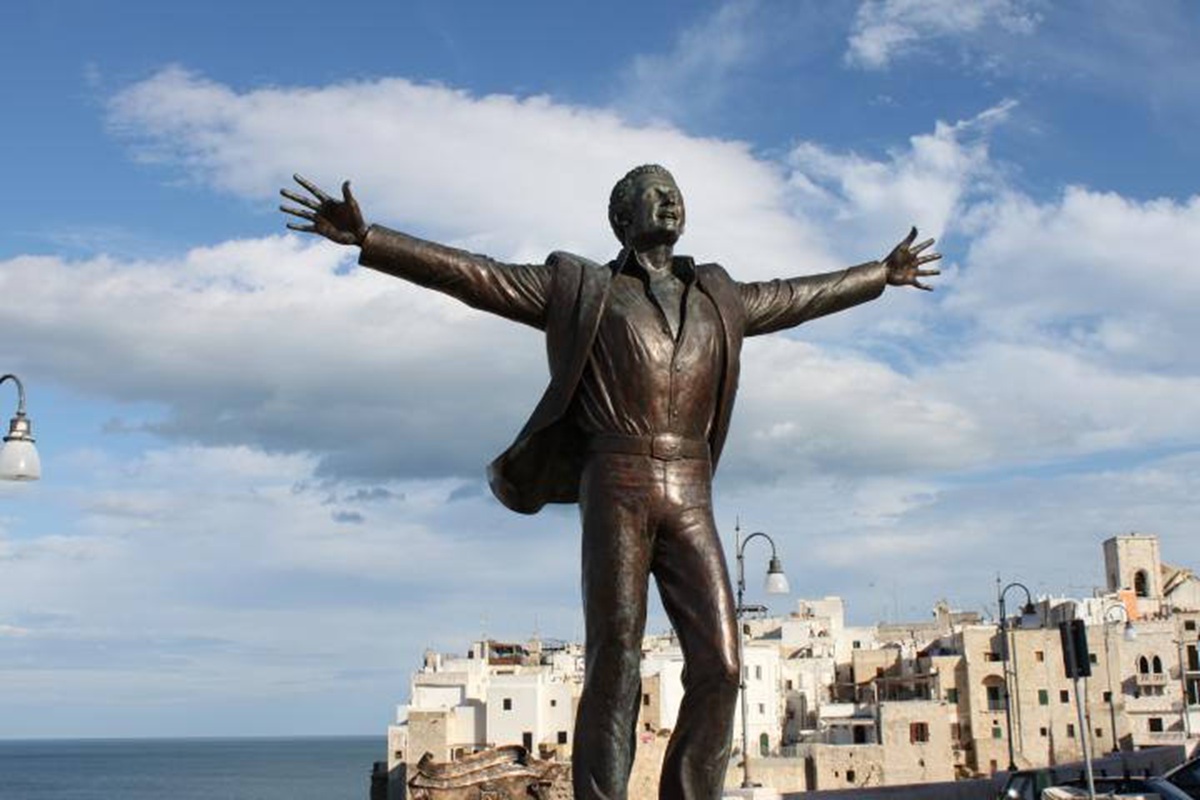
Volare è una delle aspirazioni più antiche dell'essere umano. Prima ancora che la tecnologia rendesse possibile attraversare il cielo, il volo rappresentava già la libertà, il superamento dei limiti e la possibilità di osservare il mondo da una prospettiva diversa. Nel corso dei secoli, questo desiderio ha trovato spazio nei miti, nella letteratura, nel cinema, nei giochi e, soprattutto, nella musica. Dal mito greco di Icaro ai disegni delle macchine volanti di Leonardo da Vinci, l'uomo ha sempre provato a trasformare il cielo in un luogo da raggiungere. Il volo, però, non è soltanto un movimento fisico: è anche una potente metafora della fantasia, dell'amore, del successo e della fuga dalla quotidianità.
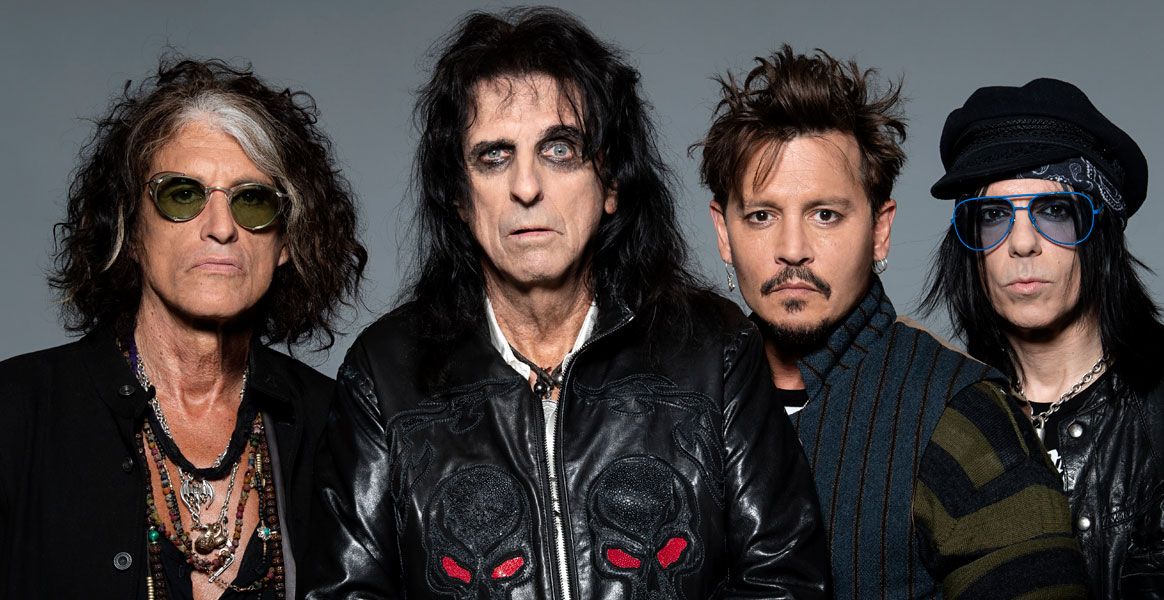
Il supergruppo di Alice Cooper e Johnny Depp è pronto a tornare in Italia con 2 date nel mese di settembre.

"Era uno dei concerti migliori della mia vita". Bad Bunny è tornato a parlare dell'evento tenuto sabato scorso all'Ippodromo La Maura nella zona San Siro di Milano. E la grandine riapre il problema sicurezza dell'impianto.

Noemi dovrà osservare 4 settimane di riposo dopo la caduta, ma dal 16 agosto sarà un tour de force per recuperare i live rinviati. Ecco tutte le date fino a settembre.

Lo scorso 13 luglio Paolo Belli era in bicicletta tra Correggio e Campagnola, in provincia di Reggio Emilia, per la sua solita sgambata, quando ha investito un uomo di 41 anni di nome Alessandro Mignani che, trasportato in ospedale, dopo 1 giorno in terapia intensiva, è deceduto.

L'11 luglio Teddy Reno ha compiuto 100 anni! E' il primo cantante italiano a raggiungere questo traguardo.

Nella terza edizione di "Nuova Scena", talent dedicato al mondo rap in onda su Netflix, si sono aggiudicati la vittoria i cosentini Flextony e Tigerplug.

 Rosetta Stone
 Shola Ama
 Heather Nova
 10Cc
10Cc
 The Honeycombs
 Girls Aloud
 Don Fardon
 Bedlam
 Ella Eyre
 Unkle
Unkle
 Graham Parker
 Your Vegas