









The Twelve Gifts of Christmas
On the first day of Christmas, my true love gave to me
A Japanese transistor radio.
On the second day of Christmas, my true love gave to me
Green polka-dot pajamas,
And a Japanese transistor radio.
(It's a Nakashuma.)
On the third day of Christmas, my true love gave to me
A calendar book with the name of my insurance man,
Green polka-dot pajamas,
And a Japanese transistor radio.
(It's the Mark IV model. That's the one that's discontinued.)
On the fourth day of Christmas, my true love gave to me
A simulated alligator wallet,
A calendar book with the name of my insurance man,
Green polka-dot pajamas,
And a Japanese transistor radio.
(And it comes in a leatherette case with holes in it,
so you can listen right through the case.)
On the fifth day of Christmas, my true love gave to me
A statue of a lady, with a clock where her stomach ought to be,
A simulated alligator wallet,
A calendar book with the name of my insurance man,
Green polka-dot pajamas,
And a Japanese transistor radio.
(And it has a wire with a thing on one end that you
can stick in your ear, and a thing on the other end
that you can't stick anywhere, because it's bent.)
On the sixth day of Christmas, my true love gave to me
A hammered aluminum nutcracker,
And all that other stuff,
And a Japanese transistor radio.
On the seventh day of Christmas, my true love gave to me
A pink satin pillow that says San Diego, with fringe all around it,
And all that other stuff,
And a Japanese transistor radio.
On the eighth day of Christmas, my true love gave to me
An indoor plastic birdbath,
And all that other stuff,
And a Japanese transistor radio.
On the ninth day of Christmas, my true love gave to me
A pair of teakwood shower clogs,
And a Japanese transistor radio.
On the tenth day of Christmas, my true love gave to me
A chromium combination manicure scissors and cigarette lighter,
And a Japanese transistor radio.
On the eleventh day of Christmas, my true love gave to me
An automatic vegetable slicer that works when you see it on television,
but not when you get it home,
And a Japanese transistor radio.
On the twelfth day of Christmas, although it may seem strange,
On the twelfth day of Christmas, I'm going to exchange:
An automatic vegetable slicer that works when you see it on television,
but not when you get it home,
A chromium combination manicure scissors and cigarette lighter,
A pair of teakwood shower clogs,
An indoor plastic birdbath,
A pink satin pillow that says San Diego, with fringe all around it,
A hammered aluminum nutcracker,
A statue of a lady, with a clock where her stomach ought to be,
A simulated alligator wallet,
A calendar book with the name of my insurance man,
Green polka-dot pajamas,
And a Japanese transistor radio.
Merry Christmas everybody
Allan Sherman (30 novembre 1924 – 20 novembre 1973) è stato un cantautore, paroliere e produttore televisivo statunitense noto per le sue parodie musicali degli anni '60. Nato a New York da una famiglia ebrea, Sherman iniziò la sua carriera come scrittore di commedie per il teatro e la televisione. Il suo album d'esordio, *My Son, the Folk Singer* (1962), divenne il disco più venduto fino a quel momento, grazie al successo di brani come "Hello Muddah, Hello Fadduh", una parodia del celebre *Dance of the Hours* di Ponchielli. Sherman ha continuato a pubblicare album di successo negli anni '60 e '70, caratterizzati da un umorismo intelligente e orecchiabili melodie. Tra i suoi brani più famosi ricordiamo anche "The Ballad of Irving Berlin" e "A Bushel and a Peck". La sua musica ha contribuito a definire l'umorismo musicale americano degli anni '60, influenzando generazioni di artisti.
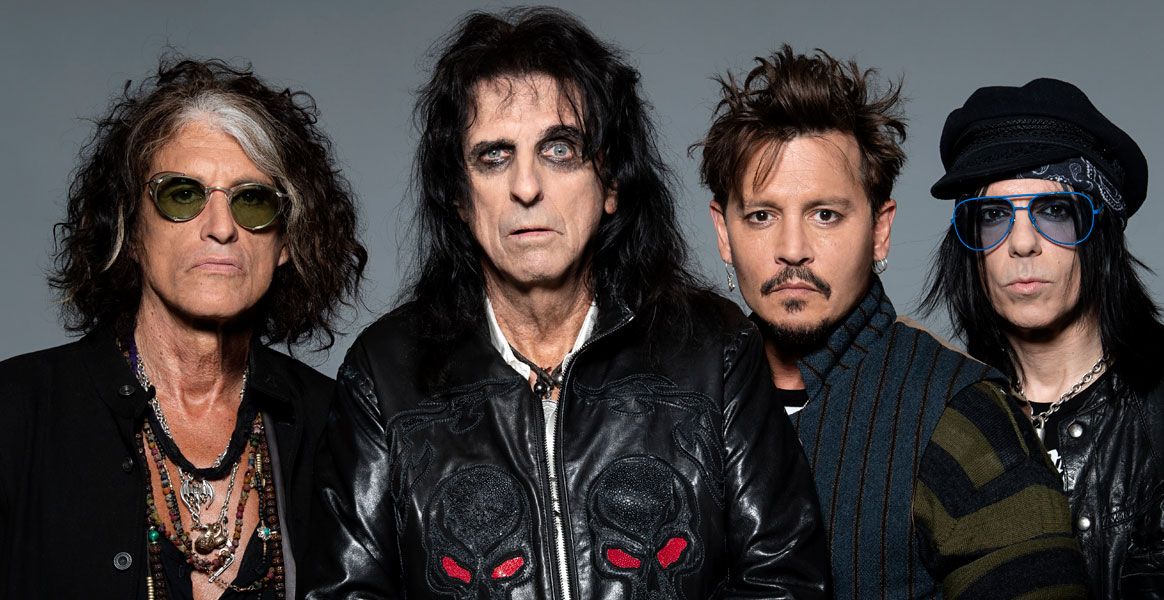
Il supergruppo di Alice Cooper e Johnny Depp è pronto a tornare in Italia con 2 date nel mese di settembre.
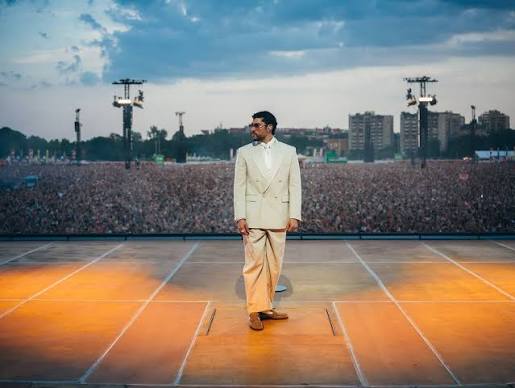
"Era uno dei concerti migliori della mia vita". Bad Bunny è tornato a parlare dell'evento tenuto sabato scorso all'Ippodromo La Maura nella zona San Siro di Milano. E la grandine riapre il problema sicurezza dell'impianto.

Noemi dovrà osservare 4 settimane di riposo dopo la caduta, ma dal 16 agosto sarà un tour de force per recuperare i live rinviati. Ecco tutte le date fino a settembre.

Lo scorso 13 luglio Paolo Belli era in bicicletta tra Correggio e Campagnola, in provincia di Reggio Emilia, per la sua solita sgambata, quando ha investito un uomo di 41 anni di nome Alessandro Mignani che, trasportato in ospedale, dopo 1 giorno in terapia intensiva, è deceduto.
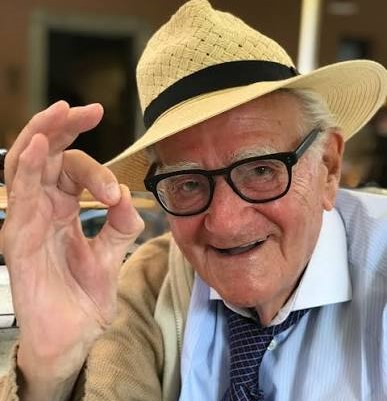
L'11 luglio Teddy Reno ha compiuto 100 anni! E' il primo cantante italiano a raggiungere questo traguardo.

Nella terza edizione di "Nuova Scena", talent dedicato al mondo rap in onda su Netflix, si sono aggiudicati la vittoria i cosentini Flextony e Tigerplug.

La radio è morta? No. Ma non è più il cancello d'ingresso. Negli ultimi anni qualcosa è cambiato ? radicalmente. Canzoni sconosciute esplodono in pochi giorni. Artisti senza contratto discografico raccolgono milioni di stream. E le radio? Arrivano dopo, non prima. Il pubblico ha preso il controllo. Il potere dei video brevi: 15 secondi che cambiano tutto TikTok ha trasformato le regole del gioco musicale. Una melodia che dura meno di venti secondi può diventare il suono di un'intera estate. Nel 2023, oltre il 70% delle canzoni entrate nella Billboard Hot 100 aveva avuto un'origine virale su piattaforme social prima di ricevere attenzione radiofonica.
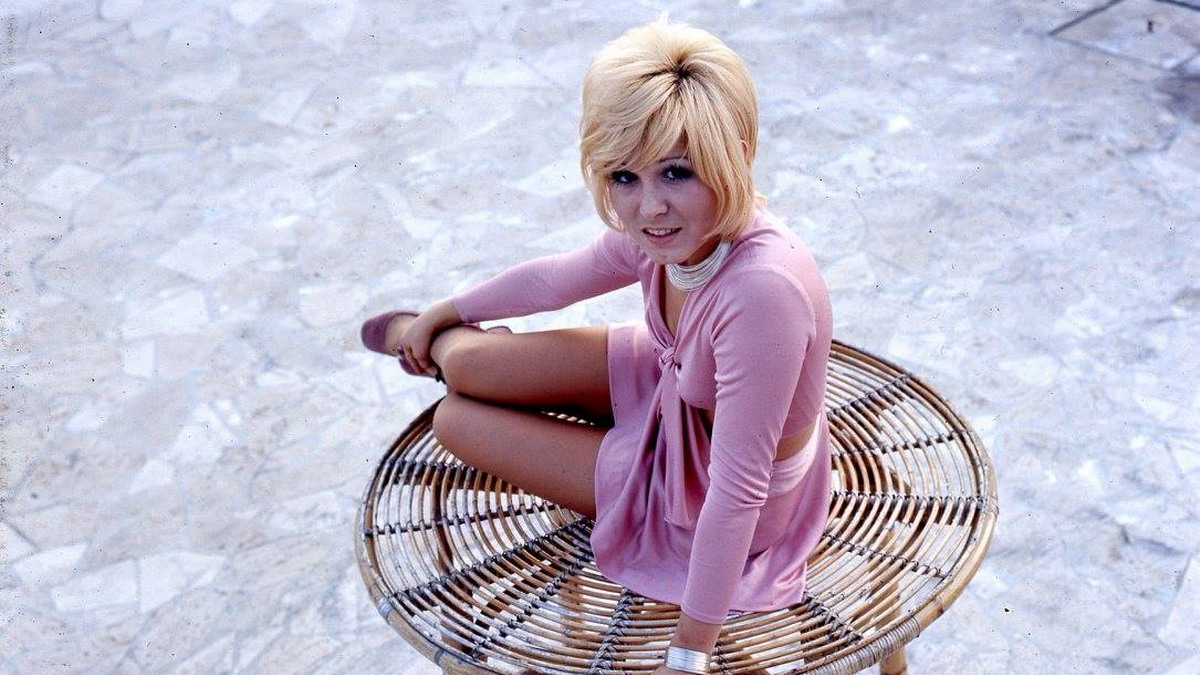
Il 28 aprile 1986 la cantante Graziella Franchini, in arte Lolita, veniva ritrovata esanime e sfigurata nella camera del residence di Lamezia Terme in cui viveva ormai da un pò di tempo. L'omicidio è rimasto privo di colpevoli.
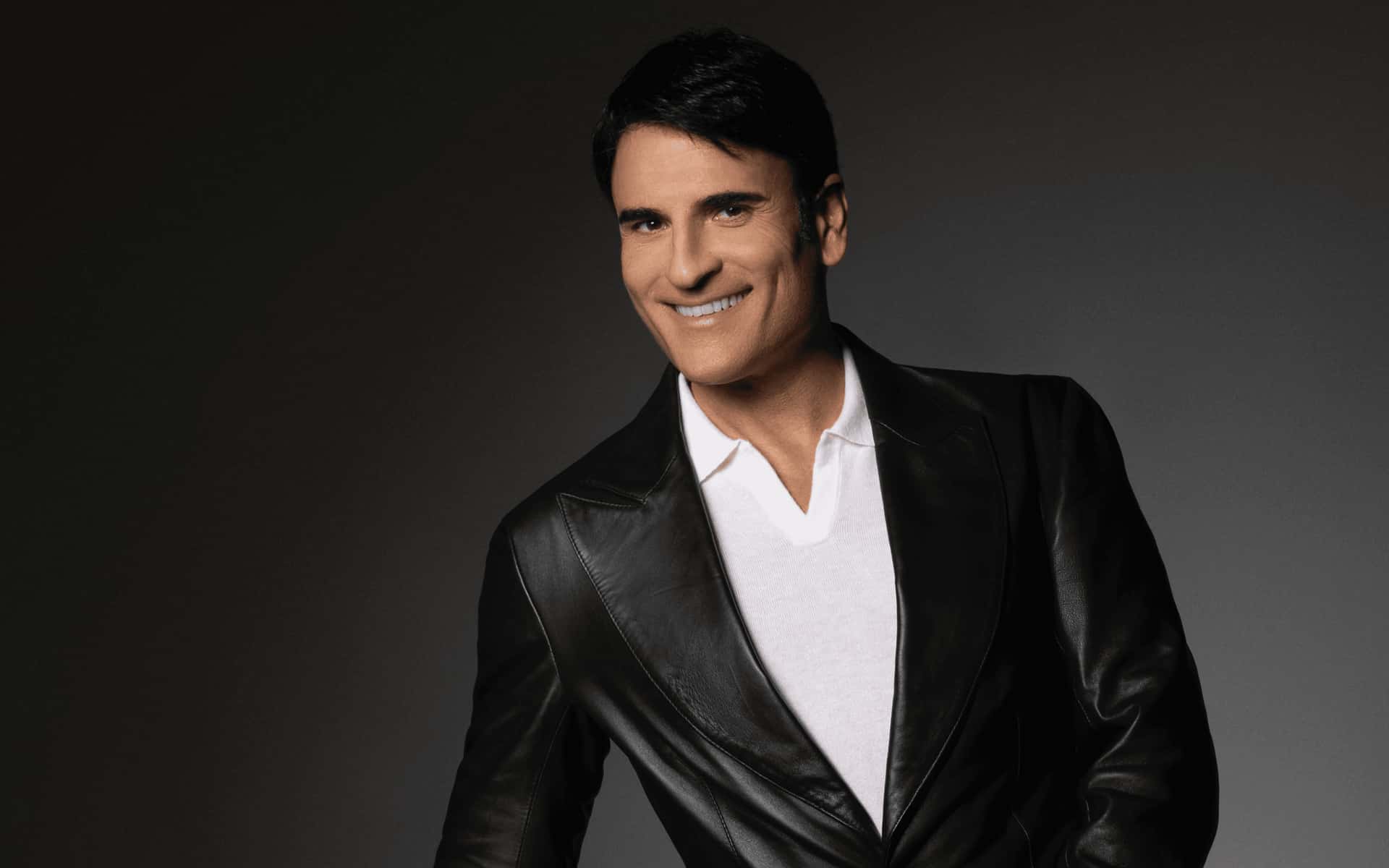
Da qualche parte nel mondo i Blue si sono riuniti davanti a uno schermo per vedere l'esibizione di Sal Da Vinci che canta "Per Sempre Si".

 Joe Esposito
 Bobby Pinson
 Oppressor
 Jake Coco
 Heroin
 Celldweller
 Switchblade Symphony
 Cherish The Ladies
 Michael Tolcher
 Fats Waller
 Fugazi
 Rippingtons