








Going far, getting nowhere
Going far, the way you are
Going far, getting nowhere
Going far, the way you are
Going far, getting nowhere
The way you are
Going far, getting nowhere
The way you are
These fingers aren't my fingers
These hands are not my hands
No one sees and no one cares what gets broken
Not for rhyme and not for reason
What gets broken
What gets broken
Going far, getting nowhere
Going far, the way you are
Going far, getting nowhere
Going far, the way you are
Going far, getting nowhere
The way you are
Going far, getting nowhere
The way you are
In the river my machinery
Slows to a heartbeat
Echoing ghost just laid by
Those who whistle while they work
Out of time and out of season
What gets broken
Going far, getting nowhere
Going far, the way you are
Going far, getting nowhere
Going far, the way you are
Going far, getting nowhere
The way you are
Going far, getting nowhere
The way you are
The way you are
The way you, the way you are
Going far, getting nowhere
Going far, the way you are
Going far, getting nowhere
Going far, the way you are
Going far, getting nowhere
The way you are
Going far, getting nowhere
The way you are
The way you are
The way you are
The way you are
The way you, the way you are
Tears for Fears è un duo musicale britannico formatosi a Bath nel 1981 da Roland Orzabal (chitarra, voce) e Curt Smith (basso, voce). Il loro sound, caratterizzato da atmosfere synth-pop introspettive e testi che esplorano temi come l'ansia, la depressione e la solitudine, li ha catapultati al successo internazionale negli anni '80. Shout (1985) e Everybody Wants to Rule the World (1985) sono diventate hit planetarie, consacrando il gruppo come uno dei pilastri della new wave. Dopo un periodo di pausa, Tears for Fears ha fatto ritorno con successo negli anni '90 e 2000, pubblicando album come "Elemental" (1993) e "Everybody Loves a Happy Ending" (2004). Tra i brani più rappresentativi del loro repertorio figurano anche "Mad World", "Pale Shelter" e "Advice for the Young at Heart".

 Pulled Apart By Horses
 Stateless
 Puggy
 Davy Jones
 Candie Payne
 Hillsong London
 Aftershock
 Blackstar
 Marc Almond
 The Upper Room
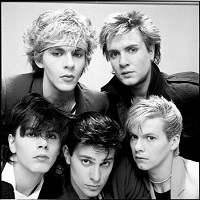 Duran Duran
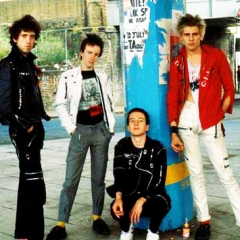 The Clash