










[Lyrics by Karl Sanders, Music by Karl Sanders and Dallas Toler-Wade]
O Seti, Great One, My Father.
I Hath Finished for Thee Thy Temple at Abydos.
And Made Known the Lineage of the Blessed.
Those Who Came Before.
I Hath Exalted Mine Ancestors.
I Hath Honoured with the Blood and Sweat of Many.
The Legacy of Thy Conquests.
T Hath Glorified Thy Temple of Set in Avaris.
In Karnak, Hath I Raised the Great Hall.
In Thebes, Sublime Monuments, Grand Pylons, Obelisks
And Colossal Statues Are Inscribed With My Name.
By Divine Right I Hath Usurped the Monuments of My Predecessors.
I Hath Created Imposing Rock Hewn Temples.
Monumental Colossi in Mine Own Image.
Like as unto the Images of Amun, Re, Ptah.
I Hath Caused to Rise a Formidable Legacy Carved in Stone.
In the Mountain of Meha.
Intended to Endure a Million Years.
In the Violence of Sekhem.I am Become Montu,
God of War in the Two Lands.
I Hath Suppressed the Rebellious.
I Hath Driven Back Chaos and Disorder.
The Conquered Chiefs of All Foreign Lands are Beneath My Sandals.
I Hath Emblazoned My Countless Victories in Immortality.
Carved in Rocks as Living Images of the Ritual Massacre of Mine Enemies.
I am User-Maat-Re Setepene-re,
Sovereign of Sovereigns,
Beloved of Amun,
Chosen of Re,
I Hath Made Manifest the Grandeur of My Empire.
To be Worthy of Thy Legacy.
O Seti, Great One.
User-Maat-Re, Thou Hast Done Nothing.
User-Maat-Re, Thou Hast Done Nothing.
[Guitar solo]
User-Maat-Re, Thou Hast Done Nothing.
User-Maat-Re, Thou Hast Done Nothing.
Nothing.
Nothing.
[User-Maat-Re Setep-en-Re was the throne name of Ramesses II, and means "The Justice of Re is Powerful, Chosen of Re". He is often referred to as "Ramesses the great", because so many of his cultural contributions were measured on the grandest of scales.
Ramesses II had the longest reign of any Pharaoh in New Kingdom Egypt. He celebrated an amazing 14 Sed Festivals, and also managed to father more than 90 children. He constructed more temples, colossal statues and obelisks than any other New Kingdom Pharaoh, and established a magnificent new capital city at Pi-Ramesse in the delta.
When Ramesses ascended to the throne at the age of 25, he was determined to follow in the footsteps of his father, Seti I. (Seti had embarked on an ambitious policy of renewal in an attempt to return to the great days of the 18th Dynasty when Egypt's wealth and empire had been at its peak. Seti destroyed many monuments of earlier kings, was worshipped as a god during his long life, and built sanctuaries in his own honor.)
Ramesses modeled himself on two successful 18th Dynasty kings: Thutmose III, the famous New Kingdom "Warrior Pharaoh", who had been largely responsible for the creation of the new Egyptian empire, and Amenhotep III, ruler of Egypt at the height of its prosperity.
Amenhotep III was the first Pharaoh to operate according to the "big is beautiful" policy - enormous temples and colossal statues were constructed at his bidding. Amenhotep III's monuments were also famous for the beauty of their delicate raised-relief decoration. Ramesses surpassed Amenhotep III in sheer number of temples and monuments he erected, but quality was often sacrificed in the name of quantity and speed. Unlike Amenhotep III's raised-relief decorations, Ramesses' builders crafted cruder, sunken-relief carvings.
In the "grandest" of ironies, Ramesses II was not always careful about keeping to the truth. Although the Battle of Kadesh against the Hittites in Year 5 was declared a stalemate, Ramesses publicized it as a great victory! His highly exaggerated account of this battle was featured on no less than eight temples.
After what would be the longest reign in the New Kingdom, Ramesses II died at the extreme old age of 90. He outlived many of his children, many of whom held important administrative positions in Egypt. Of his many wives, Nefertari is best-known, not least through her magnificent tomb.
I have often wondered what drove Ramesses to go to such megalominiacal length to accomplish so much in his lifetime - to be Pharaoh par excellence on the grandest possible scale. I like to think that it has something to do with a son's desire to live up to his father's and predecessors' legacy. Of course, with Ramesses, this was caried to lengths never equaled before or since. When I wrote the lyrics to this song, I envisioned a man hearing voices in his head. For each accomplishment he would hear his father's voice telling him, "you have done nothing", which in turn drives the man's obsession to live up to his father's seemingly impossible expectations.
Musically, this was an interesting collaboration between Dallas and me. I had been working on the song, and one night when Dallas and I were getting together to play guitar, I showed him what I had, and he immediately came up with several guitar riffs that fit perfectly together with the material I had already composed.
Ironically, some fans on the Nile web forum have been clamoring for another "Unas Slayer of the Gods" or "To Dream of Ur" epic. I had blatantly refused, saying that we had no intention of repeating any epic-length songs for the mere sake of having epic-length songs - we would write whatever we wanted, and that was that. So, when Dallas and I timed this new song (new riffs worked in, acoustic intro, guitar solos, breakdowns, "outro", et cetera), it came out to be in the eight-and-a-half minute range. I realized I was going to have to eat my words since we had unintentionally written another monumental Nile song. Little could I guess that there were two more unwritten, even longer epic Nile songs to follow on this album?]
Il testo USER-MAAT-RE dei NILE è presente anche nell'album Annihilation of the wicked (2005)
Nile è una band statunitense di death metal tecnico, attiva dal 1996. Conosciuti per la loro musica complessa e aggressiva, caratterizzata da ritmi veloci, riff intricati e testi ispirati alla storia egizia, Nile ha guadagnato un seguito di culto nel genere death metal. Il gruppo è composto da Karl Sanders (chitarra, voce), George Kollias (batteria) e Brian Stephenson (basso). Tra i loro album più importanti figurano "In Their Darkened Shrines" (1999), "Amongst the Giza Necropolis" (2002) e "Annihilation of Civilization" (2005). Nile è considerata una delle band più influenti nel death metal tecnico, con un sound unico che ha ispirato numerosi altri artisti.

Il comparto sonoro è uno degli elementi più importanti ma meno notati nel mondo del videogioco. Una colonna sonora azzeccata trasforma un'azione semplice in un momento indimenticabile, guida la concentrazione e crea un legame emotivo con lo schermo. Dai primi bip elettronici degli anni Settanta fino alle composizioni orchestrali contemporanee, il suono ha smesso di essere un semplice contorno per diventare un motore d'immersione fondamentale in qualsiasi software interattivo.

Dopo il grande riscontro nei liv del periodo primavera estate 2026, i Bluvertigo sono pronti per il nuovo album, con una notevole quantità di brani già pronti.
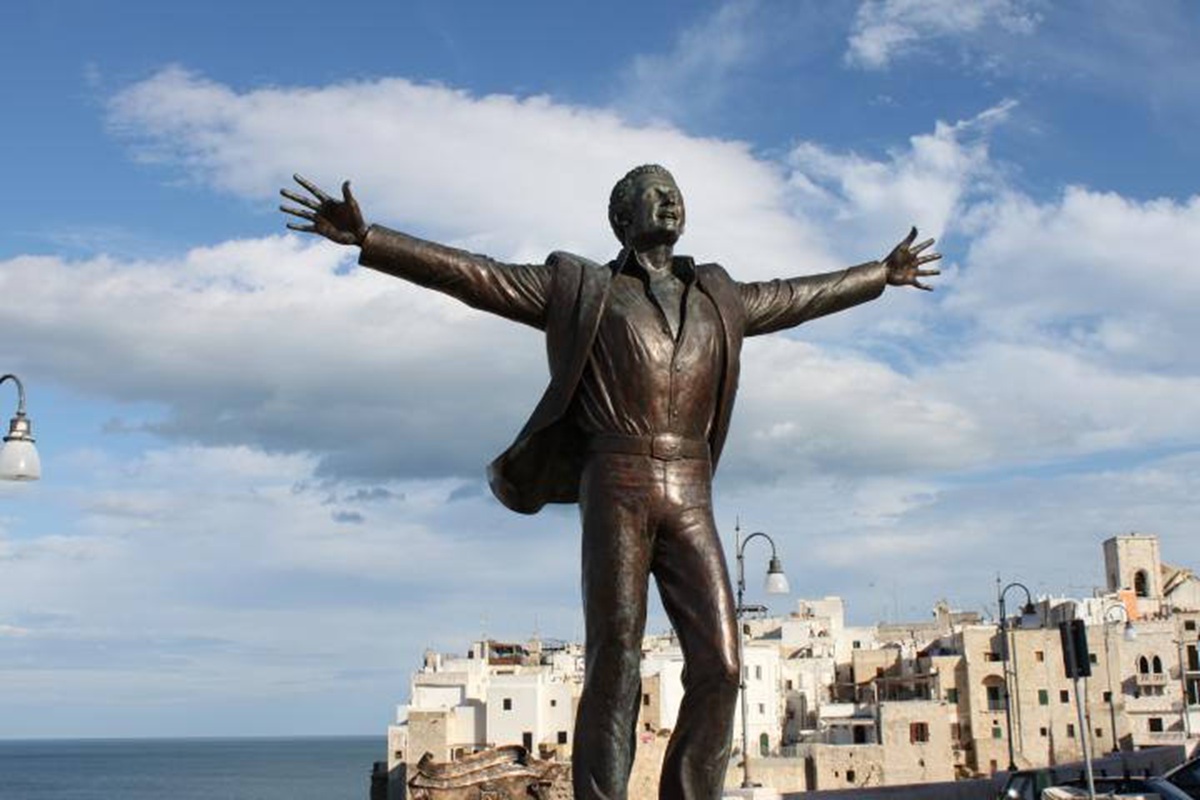
Volare è una delle aspirazioni più antiche dell'essere umano. Prima ancora che la tecnologia rendesse possibile attraversare il cielo, il volo rappresentava già la libertà, il superamento dei limiti e la possibilità di osservare il mondo da una prospettiva diversa. Nel corso dei secoli, questo desiderio ha trovato spazio nei miti, nella letteratura, nel cinema, nei giochi e, soprattutto, nella musica. Dal mito greco di Icaro ai disegni delle macchine volanti di Leonardo da Vinci, l'uomo ha sempre provato a trasformare il cielo in un luogo da raggiungere. Il volo, però, non è soltanto un movimento fisico: è anche una potente metafora della fantasia, dell'amore, del successo e della fuga dalla quotidianità.
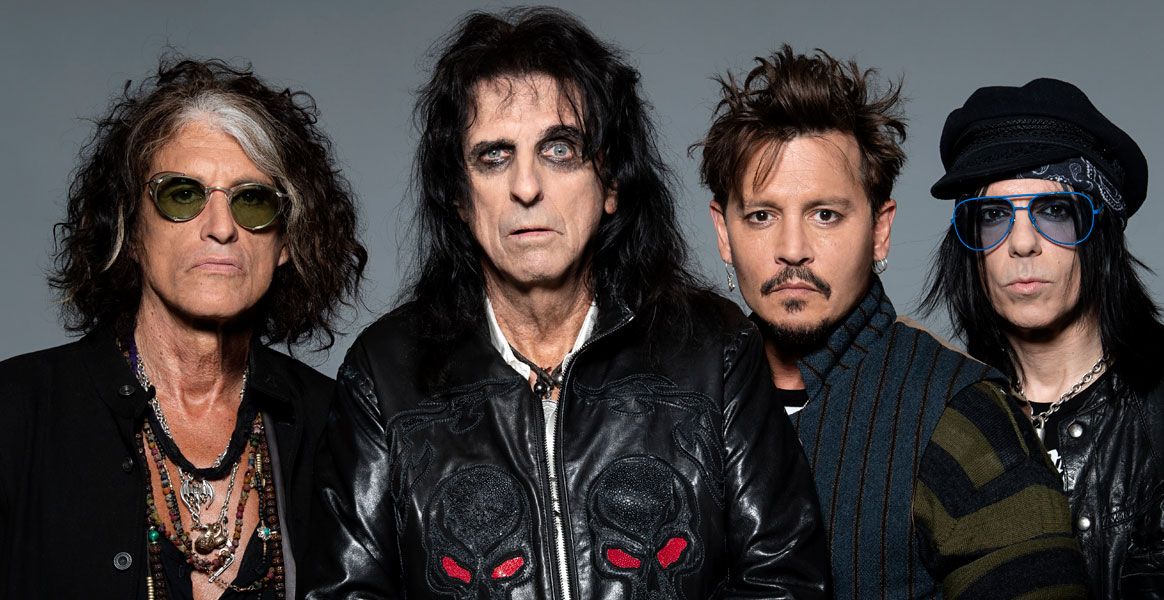
Il supergruppo di Alice Cooper e Johnny Depp è pronto a tornare in Italia con 2 date nel mese di settembre.
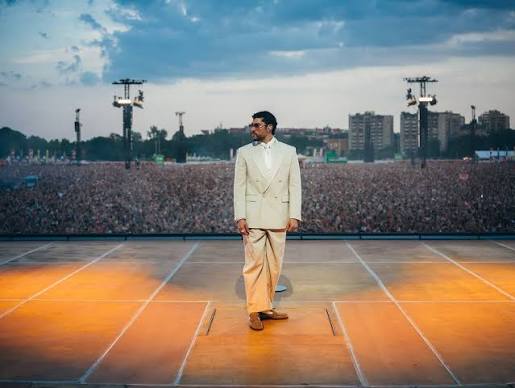
"Era uno dei concerti migliori della mia vita". Bad Bunny è tornato a parlare dell'evento tenuto sabato scorso all'Ippodromo La Maura nella zona San Siro di Milano. E la grandine riapre il problema sicurezza dell'impianto.

Noemi dovrà osservare 4 settimane di riposo dopo la caduta, ma dal 16 agosto sarà un tour de force per recuperare i live rinviati. Ecco tutte le date fino a settembre.

Lo scorso 13 luglio Paolo Belli era in bicicletta tra Correggio e Campagnola, in provincia di Reggio Emilia, per la sua solita sgambata, quando ha investito un uomo di 41 anni di nome Alessandro Mignani che, trasportato in ospedale, dopo 1 giorno in terapia intensiva, è deceduto.
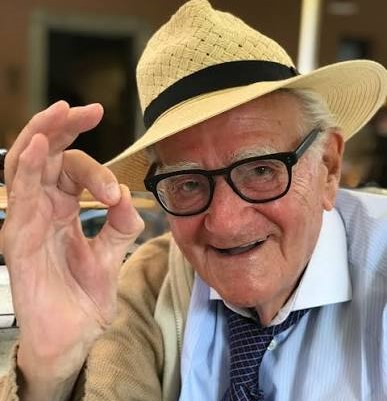
L'11 luglio Teddy Reno ha compiuto 100 anni! E' il primo cantante italiano a raggiungere questo traguardo.

Nella terza edizione di "Nuova Scena", talent dedicato al mondo rap in onda su Netflix, si sono aggiudicati la vittoria i cosentini Flextony e Tigerplug.

 Willie Nelson
 Juice Newton
 Vast
Vast
 Christmas Carols
 The Echoing Green
 Bill Haley
 Damien Jurado
 Paris Texas
 Glory
Glory
 Beam
Beam
 Aly & Aj
 Switchfoot