






You're all I need, all I don't
Don't move, but then run
You're calling my bluff
I've seen you too much
But not quite enough
And you want me
And you're getting me
And you want me
And you're getting me
(Ah)
You're all I need, all I don't
(Ah)
All I need, all I don't
All night well I knew
Just what you're up to
Too fall but not true
I'd hate to love you
And you want me
And you're getting me
And you want me
And you're getting me
(Ah)
You're all I need, all I don't
(Ah)
All I need, all I
(Ah)
You're all I need, all I don't
(Ah)
All I need, all I don't
Oh, uh, huh, All I don't
And you want me
And you're getting me
And you want me
(Ah)
You're all I need, all I don't
(Ah)
All I need, all I
(Ah)
You're all I need, all I don't
(Ah)
All I need, all I don't
All I need, all I don't
(All I don't, You're all I don't)
All I need, all I don't
(All I don't, You're all I don't)
All I need, all I don't
Girls Aloud è un gruppo musicale britannico formatosi nel 2002 durante il talent show televisivo Popstars. Il quintetto, composto da Cheryl Tweedy, Nadine Coyle, Sarah Harding, Nicola Roberts e Kimberley Walsh, ha conquistato rapidamente il successo in patria con una serie di singoli che hanno raggiunto le classifiche britanniche. Tra i loro successi più noti figurano "Sound of the Underground", "The Show", "I'll Stand By You" e "Walk This Way" (in collaborazione con le Sugababes). Le Girls Aloud sono state un gruppo pop di grande successo nel Regno Unito, con 16 singoli consecutivi nella top 10 delle classifiche britanniche, tra cui quattro brani che hanno raggiunto la vetta. Nonostante il loro stile musicale sia spesso definito come "pop manufactured", le Girls Aloud hanno ricevuto anche l'approvazione di critici musicali più esigenti, come quelli di NME e The Observer. Il gruppo si è sciolto nel 2013 dopo una lunga carriera segnata da successi commerciali e un seguito fedele.

 Hecate Enthroned
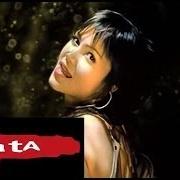 Tata Young
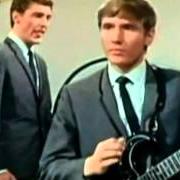 The Honeycombs
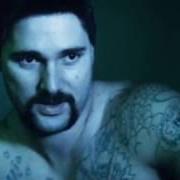 Chopper
 S Club 8
 Geordie
 Jungle
 Felt
 Gam
 Marc Almond
 Theory Of A Deadman
 Pogues