









Don't you feel a change a coming
From another side of time
Breaking down the walls of silence
Lifting shadows from your mind
Placing back the missing mirrors
That before you couldn't find
Filling mysteries of emptiness
That yesterday left behind
And we all know it's better
Yesterday has past
Now let's all start the living
For the one that's going to last
And we all know it's better
Yesterday has past
Now let's all start the living
For the one that's going to last
Don't you feel the day is coming
That will stay and remain
When your children see the answers
That you saw the same
When the clouds have all gone
There will be no more rain
And the beauty of all things
Is uncovered again
Don't you feel the day is coming
And it won't be too soon
When the people of the world
Can all live in one room
When we shake off the ancient
Shake off the ancient chains of our tomb
We will all be born again
Of the eternal womb
Cat Stevens, pseudonimo di Steven Demetre Georgiou, è un cantautore britannico nato a Londra il 21 luglio 1948. Attivo dal fine degli anni '60 fino al 1978, ha poi abbracciato l'Islam e cambiato nome in Yusuf Islam, continuando la sua carriera musicale con un approccio più spirituale. Stevens è noto per le sue melodie folk-rock malinconiche e introspettive, spesso accompagnate da testi poetici che esplorano temi di amore, perdita, fede e spiritualità. Tra i suoi brani più celebri figurano "Wild World", "Father and Son" e "Peace Train". L'album "Tea for the Tillerman" (1970) è considerato un classico del folk-rock britannico. Dopo il suo periodo di conversione, Yusuf Islam ha continuato a pubblicare musica con testi più religiosi, ma ha sempre mantenuto una sensibilità musicale raffinata e poetica.
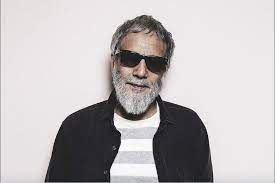
Ho letto una recente intervista di Yusuf/ Cat Stevens che mi ha molto commossa. L'artista britannico ha infatti dichiarato al Corriere della Sera, che ripensando al suo brano "Peace Train", si sente di affermare che quel treno non è mai partito: " vivere con gli altri è una vera e

 Duels
 Carina Round
 Satoshi Tomiie
 The Long Blondes
 Charles & Eddie
 Sam Fender
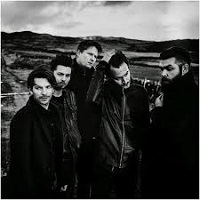 Editors
 Emmanuel Nwamadi
 Brian Doerksen
 Abrasive Wheels
 Billy Fury
 Years & Years