










Am the Uncreated God
Before Me The Dwellers in Chaos are Dogs
Their Masters Merely Wolves
I Gather The Power
From Every Place
From Every Person
Faster Than Light Itself
Hail To He Who Is In The Duat
Who Is Strong
Even Before The Servants of Serpents
He Gathers The Power
From Every Pit of Torment
From They Who Hath Burnt in Flames
From Words of Power Uttered By the
Darkness Itself
Hail To He in The Pit
Who Is Strong
Even Before the Terrors of The Abyss
Who Gathers The Power
From The Wailing And Lamentations
Of The Shades Chained Therein
From He Who Createth Gods From
The Silence Alone
[Last year, after the release of Black Seeds of Vengeance, I received e-mails containing the text of a work whose origins had until then been completely unknown to me. Entitled, "The Chapter for Bringing Heka to those who Burn," the author claimed it was part of a larger collection of works known as "The Book of Resurrection Apophis." In Egyptian methology, Apophis is also known as Apep, the terrible monster serpent who, in dynastic times, was a personification of the darkness of the darkest hour of night. Apeop is the dreaded embodiment of utter evil in the form of a giant snake that arises anew each night to struggle against the Sun god, Ra. Against Apep, Ra must not only fight, but must succesfully conquer morning sun, lest darkness and chaos engulf the entire earth during the day as well. Apep was both crafty and evil doing, and, like Ra, possessed many names, to destroy him it was necessary to curse him by each and every name by which he as known. In Egyptian papyri, Apep is also represented in the form of an enormous serpent, into each undulation of which a knife is stuck. In the Book of Gates, we see him fastened by the neck with a chain (along which is fastened the Goddess, Serqet), the end of which is in the hands of a god, and also chained to the ground with five chains. Coincidentally (or perhaps not), Apophis is also the name the Hyskos king Aussere adopted during his reign over the conquered and subjugated Egypt of 1570 B.C. The Hyskos had invaded Egypt and established their new political and religious capical city, Avaris, in the delta region of Egypt. Avaris is also the site of the original Temple of Set. Set (or Sutekh, to the Hyskos) wa the chief god of the Hyskos at that time, but in Egyptian mythology since pre-dynastic times, Set was the murderous brother of Osiris, and the original ultimate embodiment of the forces of darkness, chaos and evil, at whose command was te monster serpent, Apep. During the early period of the Hyskos occupation, the Hyskos faced little significant opposition. But during the reign of Apophis I, the Theban princes of Egypt rose up to drive the Hyskos back out of Egypt, a feat that is recounted on two large stelae set up by Kamose in the Temple of Amun at Karnak. The text which I received was in three languages - Egyptian, Greek and modern English, along with rubric instructions for the proper recitation of the chants, which are to be memorized and repeated as a sort of mantra, and as such should be spoken in Egyptian rather than English. The translations were given only to throw light upon the meanings of the spell. Upon closer examination of the text, it seems to bear superficial resemblance to Chapter 24 of the Papyrus of Ani, "The Chapter for Bringing Magick to Ani," (which is also known in some Books of the Dead as "The Chapter for Gaining Power," and in modern ritualmagick as "The Gathering of Heka.") But the similarities go immediately astray, for "The Chapter for Bringing Heka to those who Burn" seems as though it is, in this incarnation, a blasphemous underworld perversion of the chapters contained in the Theban Recension of the Book of the Dead. Perhaps it was intended for use by ancient cultists who would be intent upon using the darker forces of Chaos and the spiritual energy of those souls burning in the fiery pits of torment in the underworld for their own cultist ambitions of the upsetting the orderer structure of the ancient Egyptian world. More likely, their goal was probably to alter the political balance of rival religious factions in the turmoil of those tumultuous intermediate times. By the end of the 14th Dynasty, Egypt's once considerable might as a nation had eroded due to internal political struggles, so that it was unable to defent itself against invaders. The Hyskos overwhelmed the Dynasty, remaining in power until being expelled during the 17th Dynasty ina great war, which lasted, according to Manetbo, about a quarter of a century.]
Il testo CHURNING THE MAELSTROM dei NILE è presente anche nell'album In their darkened shrines (2002)
Nile è una band statunitense di death metal tecnico, attiva dal 1996. Conosciuti per la loro musica complessa e aggressiva, caratterizzata da ritmi veloci, riff intricati e testi ispirati alla storia egizia, Nile ha guadagnato un seguito di culto nel genere death metal. Il gruppo è composto da Karl Sanders (chitarra, voce), George Kollias (batteria) e Brian Stephenson (basso). Tra i loro album più importanti figurano "In Their Darkened Shrines" (1999), "Amongst the Giza Necropolis" (2002) e "Annihilation of Civilization" (2005). Nile è considerata una delle band più influenti nel death metal tecnico, con un sound unico che ha ispirato numerosi altri artisti.

Il comparto sonoro è uno degli elementi più importanti ma meno notati nel mondo del videogioco. Una colonna sonora azzeccata trasforma un'azione semplice in un momento indimenticabile, guida la concentrazione e crea un legame emotivo con lo schermo. Dai primi bip elettronici degli anni Settanta fino alle composizioni orchestrali contemporanee, il suono ha smesso di essere un semplice contorno per diventare un motore d'immersione fondamentale in qualsiasi software interattivo.

Dopo il grande riscontro nei liv del periodo primavera estate 2026, i Bluvertigo sono pronti per il nuovo album, con una notevole quantità di brani già pronti.
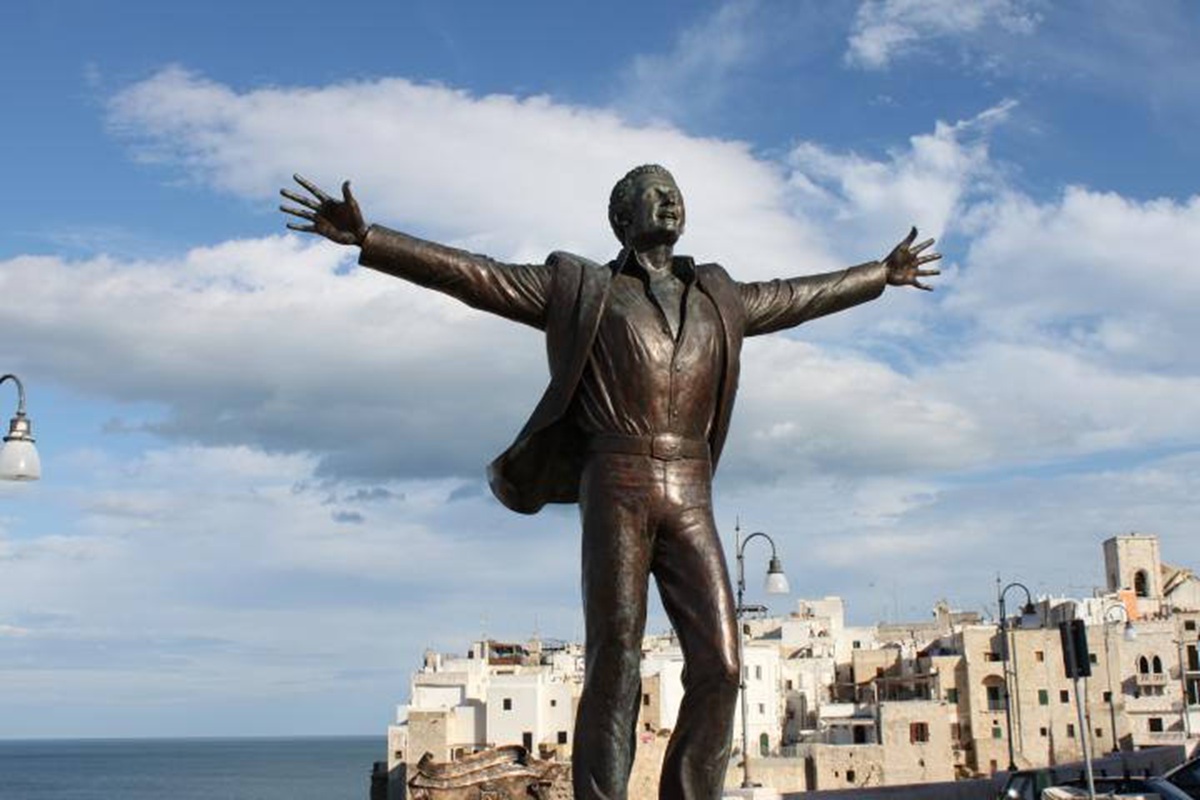
Volare è una delle aspirazioni più antiche dell'essere umano. Prima ancora che la tecnologia rendesse possibile attraversare il cielo, il volo rappresentava già la libertà, il superamento dei limiti e la possibilità di osservare il mondo da una prospettiva diversa. Nel corso dei secoli, questo desiderio ha trovato spazio nei miti, nella letteratura, nel cinema, nei giochi e, soprattutto, nella musica. Dal mito greco di Icaro ai disegni delle macchine volanti di Leonardo da Vinci, l'uomo ha sempre provato a trasformare il cielo in un luogo da raggiungere. Il volo, però, non è soltanto un movimento fisico: è anche una potente metafora della fantasia, dell'amore, del successo e della fuga dalla quotidianità.
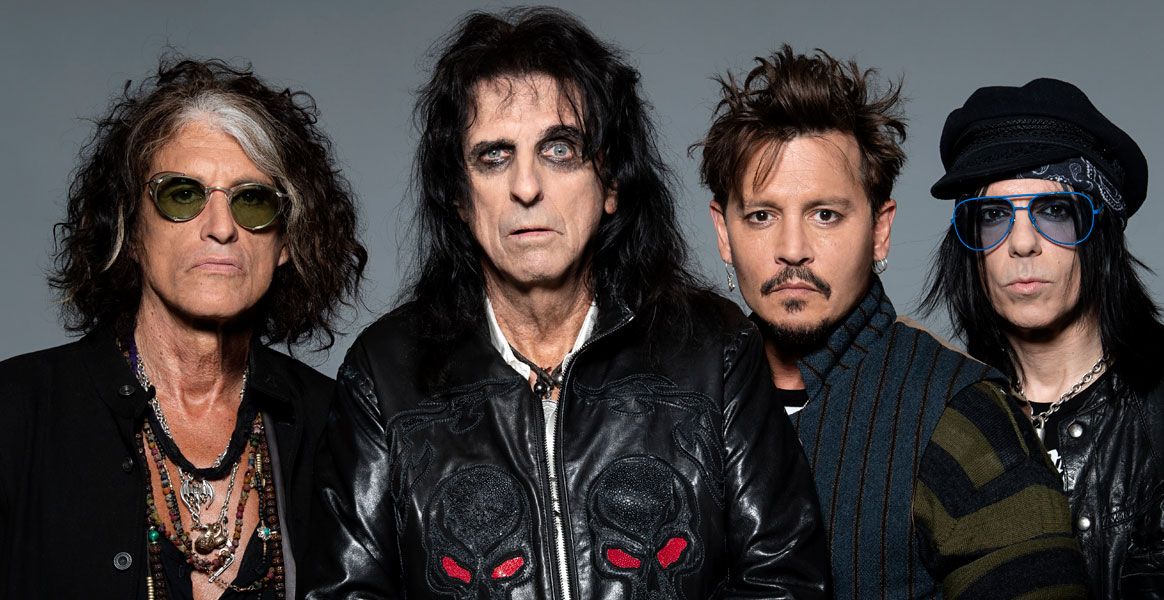
Il supergruppo di Alice Cooper e Johnny Depp è pronto a tornare in Italia con 2 date nel mese di settembre.
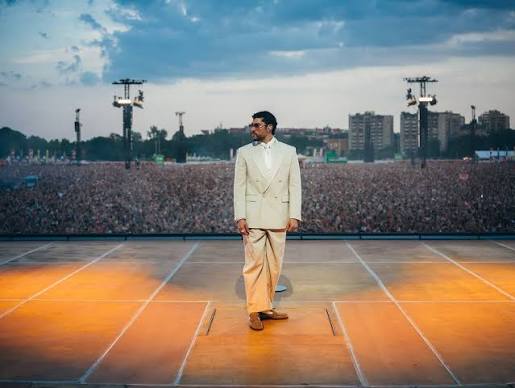
"Era uno dei concerti migliori della mia vita". Bad Bunny è tornato a parlare dell'evento tenuto sabato scorso all'Ippodromo La Maura nella zona San Siro di Milano. E la grandine riapre il problema sicurezza dell'impianto.

Noemi dovrà osservare 4 settimane di riposo dopo la caduta, ma dal 16 agosto sarà un tour de force per recuperare i live rinviati. Ecco tutte le date fino a settembre.

Lo scorso 13 luglio Paolo Belli era in bicicletta tra Correggio e Campagnola, in provincia di Reggio Emilia, per la sua solita sgambata, quando ha investito un uomo di 41 anni di nome Alessandro Mignani che, trasportato in ospedale, dopo 1 giorno in terapia intensiva, è deceduto.

L'11 luglio Teddy Reno ha compiuto 100 anni! E' il primo cantante italiano a raggiungere questo traguardo.

Nella terza edizione di "Nuova Scena", talent dedicato al mondo rap in onda su Netflix, si sono aggiudicati la vittoria i cosentini Flextony e Tigerplug.

 John Prine
 Brockhampton
 John West
 Cro-Mags
 Chroma Key
 Lady Gaga
 Lucky Boys Confusion
 The Brandos
 Sunny Day Real Estate
 Chubby Checker
 Keak Da Sneak
 Rollins Band