










Looked Down Upong With Scorn
We Work the Fields of the Masters
And Share Not the Bounty of the Black Earth
Destitute Servile Cast Out
Affording No Tomb
We Shall Be Buried
Unprepared in the Sand
We Shall Never Be The Blessed Dead
Scorned By Asar
Condemned at the Weighing of the Heart
We are Exiled from the Netherworld
Serpents fall Upon us Dragging us Away
Ammitt Who Teareth the Wicked to Pieces
Pale Shades of the UnBlessed Dead
None Shall Enter Without the Knowledge
Of the Magickal Formulas
Which is Given to Few to Possess
Not for Us to Sekhet Aaru
Our Souls Will be Cut to Pieces with Sharp Knives
Tortured Devoured
Consumed in Everlasting Flames
We Shall Never Be The Blessed Dead
[The phrase, "the Blessed Dead," is a reference to those who obtain the "blessed" condition in the afterlife: the beautified condition of eternal lifein the presence of Osiris in the Sekbet-Aaru, or "Field of Reeds." Those who had lived a moral life, observed the proper burial rites and procedures, and possessed all the correct magickal spells to navigate the treacherous and horrific Egyptian underworld, who could recite the 42 negative confessions, and whose hearts were found to be pure at the "Weighing of the Heart," were then allowed to be "Osirified" - to become a person like as unto Osiris - and enjoy a pleasant afterlife as ne of the blessed dead.]
[Proper burial, though, was an expensive undertaking. It was usually afforded only by pharaohs, priests, and the wealthy class. What of those who could not afford the extravagant tombs, mummification, magickal amulets, and costly papurys texts on which were written the necessary spells for successfully navigating the underworld? Even linen, which was used to wrap the mummies, was so expensive in ancient Egypt that people had to save what little scraps of it they could for years to have enough to have themselves wrapped. Also of mention would be the cost of professional mourners, embalmers, and priests for the "Opening of the Mouth" ceremony. This was all extremely expensive. Even a wealthy person in ancient Egypt would spend a lifetime saving and preparing for his or her burial and afterlife. I suppose it is no small coincidence that the religious priests were directly involved in the embalming industry.]
[But what of the middle and lover classes of people - the common working man? What then of the slaves and servant classes? if all these costly preparations and arcane knowledege were essential to achieving a state of blessedness in the afterlife, would a person of limited financial means be condemned beforehand to burn in torment in the afterlife, so only the wealthy became the Blessed Dead? While most of the populate certainly accepted this fatalistic concept - and by all that we know of ancient Egypt, embraced life and the hope of an eternal afterlife - most ancient Egyptians probably were resigned to do whatever funereal preparations were within their means It stands to reason, however, that certainly some small number of lower income / slave / working class people (predestined, of course, to certain financial / spiritual doom, as upward caste mobility was very limited in ancient times) would be less than inclined to accept at face value the idea that, no matter what, by the end of their lives they would not be able to afford to be buried as one of the blessed dead. Would they be resigned to their eternal fate, or live their lives with subversive viewpoints - perhaps rebelling against the established religious order, or perhaps choosing to worship amongst the pletbora of "other gods" of the Egyptian pantheon? (Budge refers to them as, "Wretched little gods.")]
[Certainly the existence of the ancient cult worship of the god, Set, is not without some sort of seditious causality. Perhaps these, then, are the countless legions of souls damned to fiery pits of torment in the underworld: the "Hated of Ra" or "Enemies of Osiris." This probably would also liken these wretched and lost souls to be followers of Set and his Seban fiends, who were the original enemies of Osiris and precursor role models on which later religious based their ideas of "Hell" and "Satan" and his "infernal legions." I am reminded of John Milton, who, in Paradise Lost, wrote of Lucifer, after he had been cast down and came to realization of his unrepentant autonomy, "It is better to rule in Hell than serve in Heaven." And thus, that brings us full circle to the chorus refrain of "The Blessed Dead." complete with infernal choirs of the underworld defiantly proclaiming, "We Shall Never Be The Blessed Dead."]
Il testo THE BLESSED DEAD dei NILE è presente anche nell'album In their darkened shrines (2002)
Nile è una band statunitense di death metal tecnico, attiva dal 1996. Conosciuti per la loro musica complessa e aggressiva, caratterizzata da ritmi veloci, riff intricati e testi ispirati alla storia egizia, Nile ha guadagnato un seguito di culto nel genere death metal. Il gruppo è composto da Karl Sanders (chitarra, voce), George Kollias (batteria) e Brian Stephenson (basso). Tra i loro album più importanti figurano "In Their Darkened Shrines" (1999), "Amongst the Giza Necropolis" (2002) e "Annihilation of Civilization" (2005). Nile è considerata una delle band più influenti nel death metal tecnico, con un sound unico che ha ispirato numerosi altri artisti.

Il comparto sonoro è uno degli elementi più importanti ma meno notati nel mondo del videogioco. Una colonna sonora azzeccata trasforma un'azione semplice in un momento indimenticabile, guida la concentrazione e crea un legame emotivo con lo schermo. Dai primi bip elettronici degli anni Settanta fino alle composizioni orchestrali contemporanee, il suono ha smesso di essere un semplice contorno per diventare un motore d'immersione fondamentale in qualsiasi software interattivo.

Dopo il grande riscontro nei liv del periodo primavera estate 2026, i Bluvertigo sono pronti per il nuovo album, con una notevole quantità di brani già pronti.
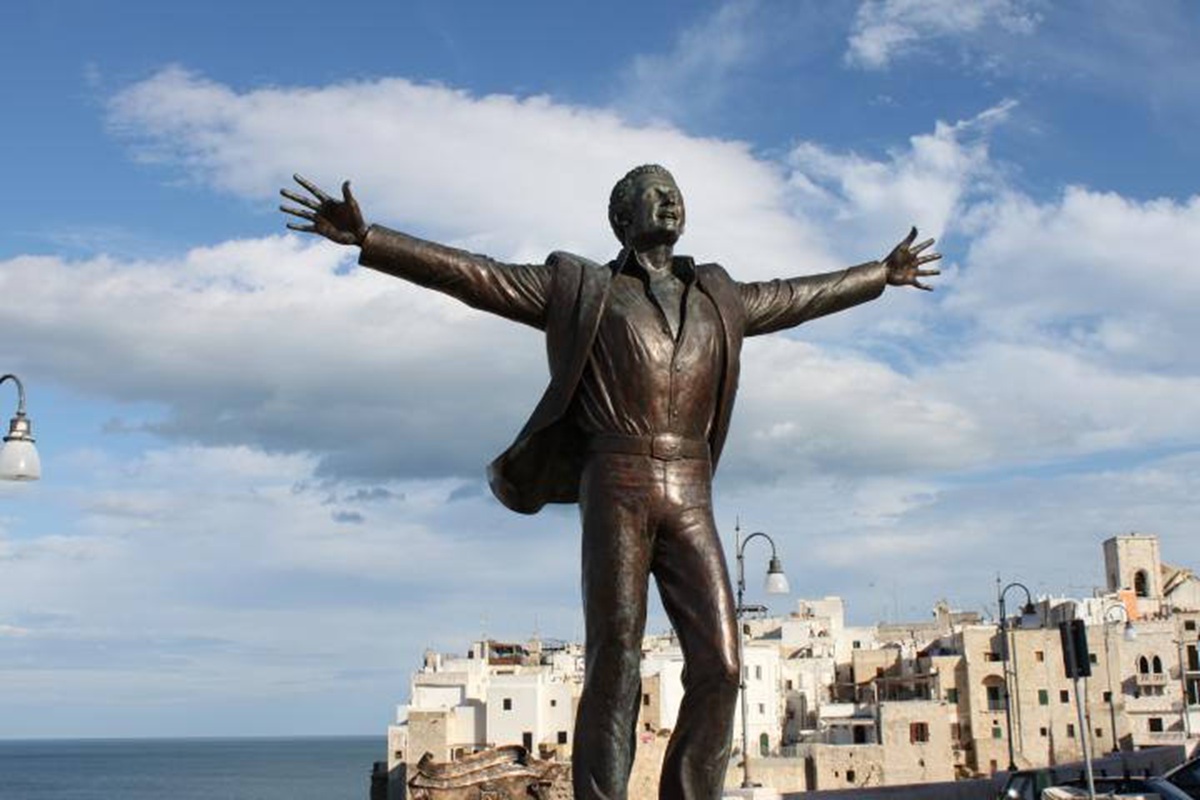
Volare è una delle aspirazioni più antiche dell'essere umano. Prima ancora che la tecnologia rendesse possibile attraversare il cielo, il volo rappresentava già la libertà, il superamento dei limiti e la possibilità di osservare il mondo da una prospettiva diversa. Nel corso dei secoli, questo desiderio ha trovato spazio nei miti, nella letteratura, nel cinema, nei giochi e, soprattutto, nella musica. Dal mito greco di Icaro ai disegni delle macchine volanti di Leonardo da Vinci, l'uomo ha sempre provato a trasformare il cielo in un luogo da raggiungere. Il volo, però, non è soltanto un movimento fisico: è anche una potente metafora della fantasia, dell'amore, del successo e della fuga dalla quotidianità.
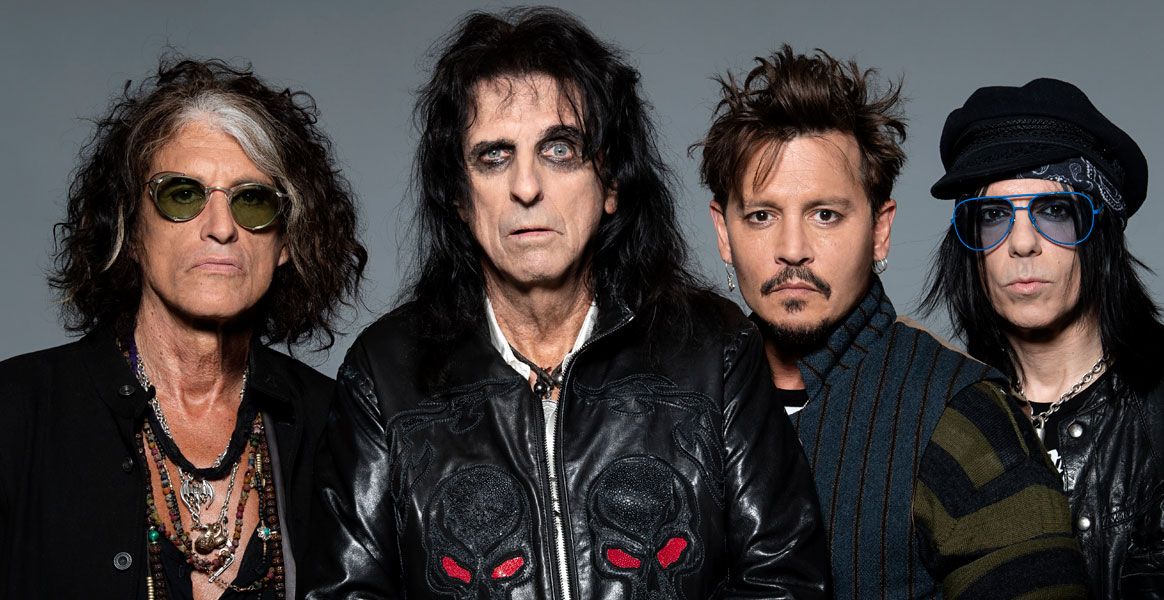
Il supergruppo di Alice Cooper e Johnny Depp è pronto a tornare in Italia con 2 date nel mese di settembre.
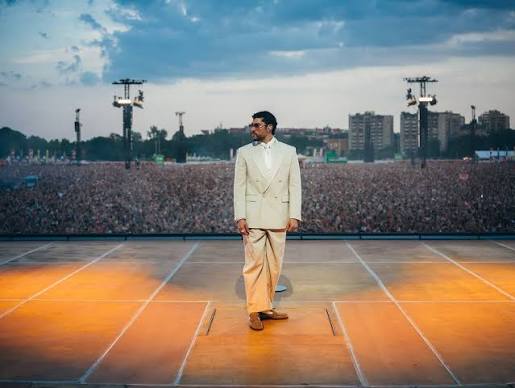
"Era uno dei concerti migliori della mia vita". Bad Bunny è tornato a parlare dell'evento tenuto sabato scorso all'Ippodromo La Maura nella zona San Siro di Milano. E la grandine riapre il problema sicurezza dell'impianto.

Noemi dovrà osservare 4 settimane di riposo dopo la caduta, ma dal 16 agosto sarà un tour de force per recuperare i live rinviati. Ecco tutte le date fino a settembre.

Lo scorso 13 luglio Paolo Belli era in bicicletta tra Correggio e Campagnola, in provincia di Reggio Emilia, per la sua solita sgambata, quando ha investito un uomo di 41 anni di nome Alessandro Mignani che, trasportato in ospedale, dopo 1 giorno in terapia intensiva, è deceduto.
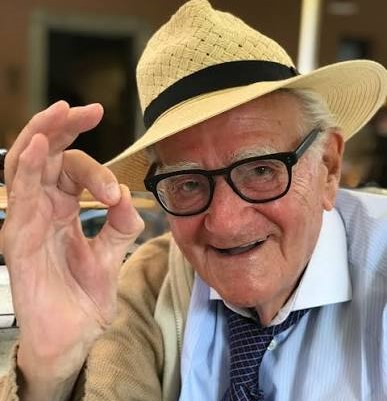
L'11 luglio Teddy Reno ha compiuto 100 anni! E' il primo cantante italiano a raggiungere questo traguardo.

Nella terza edizione di "Nuova Scena", talent dedicato al mondo rap in onda su Netflix, si sono aggiudicati la vittoria i cosentini Flextony e Tigerplug.

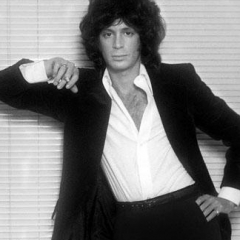 Eric Carmen
 Mike Baker
 Saigon
 Myke Towers
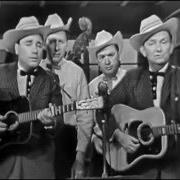 Flatt & Scruggs
 Sleater-Kinney
 Swizz Beatz
 The Frustrators
 Curt Smith
 Authority Zero
 Lifer
Lifer
 Impetigo