









1978 - San Diego:
I'd just come out the other side of a relationship that blew up
I was angry, and disillusioned, and ultimately self-destructive.
I'd lost everything I believed in
I was as utterly, completely alone as I've ever been.
So I began going on walks.
I started taking late-night walks around the San Diego suburb I was living in at the time.
I'd start walking early evening, and come back close to midnight, sometimes later
Walking and thinking and chewing over what had gone wrong with my life.
One night, at Fourth and E Streets, I got mugged and beaten by a street gang
Sent me to the hospital with serious intimations of mortality.
When the ER techs asked what my religion was, I refused to answer.
I made my private peace with the universe,
Content with whatever was going to happen, live or die.
Then something happened.
I got angry.
I got angry because I still had stories to tell.
So I fought back.
It took two months to fully recover.
But two things came out of that incident.
First: I have no fear of death. None whatsoever.
Second: As soon as I was well enough, I started walking again.
Sometimes until 3 or 4 in the morning,
Through parts of town that made even street people nervous.
When people asked what I was doing out there that late at night,
the only answer I could give was, "I'm looking for something."
So I kept walking through some of the most dangerous parts of San Diego,
before it got cleaned up,
When it was still home to hookers and drunks and gangs
Finally, one afternoon, I came to the same areas I walked through at night
And I was struck by the dichotomy between that corner at night,
And the very same corner during the day.
In the daylight, there were businessmen and kids and clerks,
Eager to get home to dinner and TV and family.
Then, later, came the night shift - the lost people
emerging from shadows and beds of pain to walk the same streets
In search of fixes, money, and bars,
Gradually fading away with the dawn.
Two totally different worlds,
Sharing nothing but longitude and latitude.
There was the nation in the day, and the nation at night,
Existing side by side but each fleeing the other;
A daylight nation and a midnight nation.
I saw a country bifurcated by more than just the presence and absence of light,
But by lives cast aside and lost and uncared for;
The walked away and the thrown-away on one side, and on the other,
Those who pretended not to see them, because not seeing is easier.
And I saw someone forced to walk both sides of the metaphor,
To learn that the greatest cruelty is our casual blindness to the despair of others,
That there but for the grace of whatever god you subscribe to goes any of us.
And finally, I realized that I had found what I was looking for,
Without ever being quite sure what it was.
I found a story that would make my own life make sense again.
This story.
I still take long walks
And I still stop and talk to the people who stand at the corner
And wait for something to happen to them,
Who wait for money to fall into a hat or a cup,
Who wait for someone to recognize their pain.
Because the line between the midnight nation
And the place where I sit right now,
Writing these words, is thin and ephemeral and can be crossed in an instant.
Because the road to the midnight nation can be erased only through compassion.
I found my story, this story, on a hazy afternoon in 1978.
Now it's yours.
The keys to the midnight nation are in your hands.
What you do with them is up to you.
J. Michael Straczynski.
Sherman Oaks, CA
July 21st, 2002.
La Dispute è un gruppo musicale statunitense originario di Grand Rapids, Michigan, formatosi nel 2004. Conosciuti per il loro stile post-hardcore emotivo e poetico, La Dispute fonde testi incisivi e spesso recitati a melodie che oscillano tra l'intensità del post-hardcore e la malinconia dell'emo, con influenze notevoli del rock progressivo. Il gruppo ha pubblicato tre album in studio: *Somewhere at the Bottom of the River Between Their Houses* (2013), *Panorama* (2016) e *Heavy Days* (2021). Tra i loro EP più noti figurano quelli della serie *Hear, Here*. La Dispute è apprezzata per la sua capacità di creare atmosfere intense e coinvolgenti, con testi che esplorano temi come il dolore, la perdita, l'amore e la ricerca di significato. Alcuni dei brani più rappresentativi del gruppo includono "King William", "The Last of the Light", "Circles" e "Woman (You Really Should See a Doctor)".
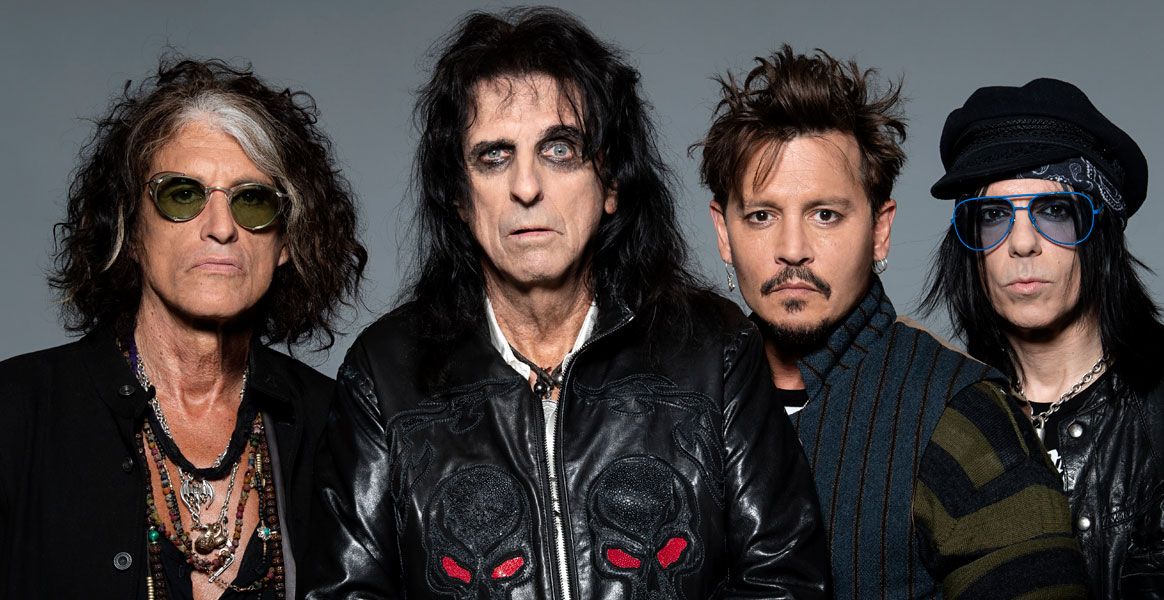
Il supergruppo di Alice Cooper e Johnny Depp è pronto a tornare in Italia con 2 date nel mese di settembre.
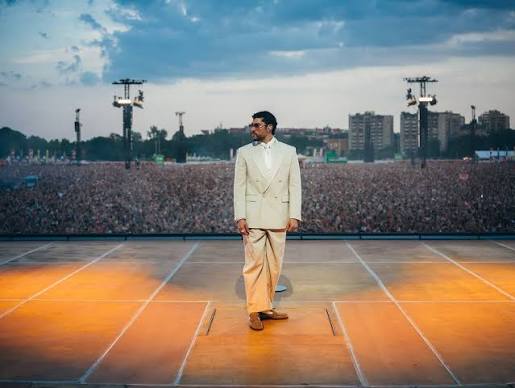
"Era uno dei concerti migliori della mia vita". Bad Bunny è tornato a parlare dell'evento tenuto sabato scorso all'Ippodromo La Maura nella zona San Siro di Milano. E la grandine riapre il problema sicurezza dell'impianto.

Noemi dovrà osservare 4 settimane di riposo dopo la caduta, ma dal 16 agosto sarà un tour de force per recuperare i live rinviati. Ecco tutte le date fino a settembre.

Lo scorso 13 luglio Paolo Belli era in bicicletta tra Correggio e Campagnola, in provincia di Reggio Emilia, per la sua solita sgambata, quando ha investito un uomo di 41 anni di nome Alessandro Mignani che, trasportato in ospedale, dopo 1 giorno in terapia intensiva, è deceduto.
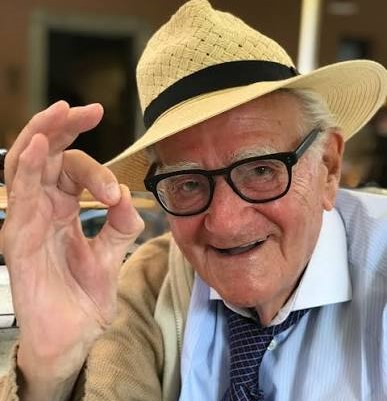
L'11 luglio Teddy Reno ha compiuto 100 anni! E' il primo cantante italiano a raggiungere questo traguardo.

Nella terza edizione di "Nuova Scena", talent dedicato al mondo rap in onda su Netflix, si sono aggiudicati la vittoria i cosentini Flextony e Tigerplug.
La radio è morta? No. Ma non è più il cancello d'ingresso. Negli ultimi anni qualcosa è cambiato ? radicalmente. Canzoni sconosciute esplodono in pochi giorni. Artisti senza contratto discografico raccolgono milioni di stream. E le radio? Arrivano dopo, non prima. Il pubblico ha preso il controllo. Il potere dei video brevi: 15 secondi che cambiano tutto TikTok ha trasformato le regole del gioco musicale. Una melodia che dura meno di venti secondi può diventare il suono di un'intera estate. Nel 2023, oltre il 70% delle canzoni entrate nella Billboard Hot 100 aveva avuto un'origine virale su piattaforme social prima di ricevere attenzione radiofonica.
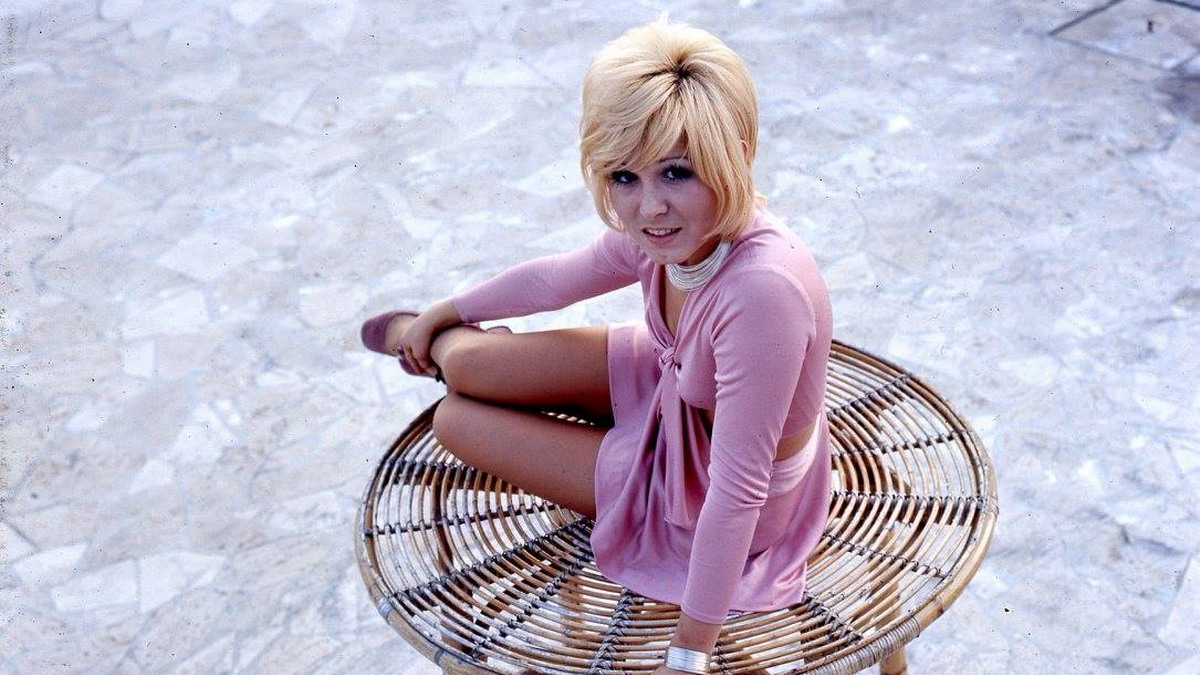
Il 28 aprile 1986 la cantante Graziella Franchini, in arte Lolita, veniva ritrovata esanime e sfigurata nella camera del residence di Lamezia Terme in cui viveva ormai da un pò di tempo. L'omicidio è rimasto privo di colpevoli.
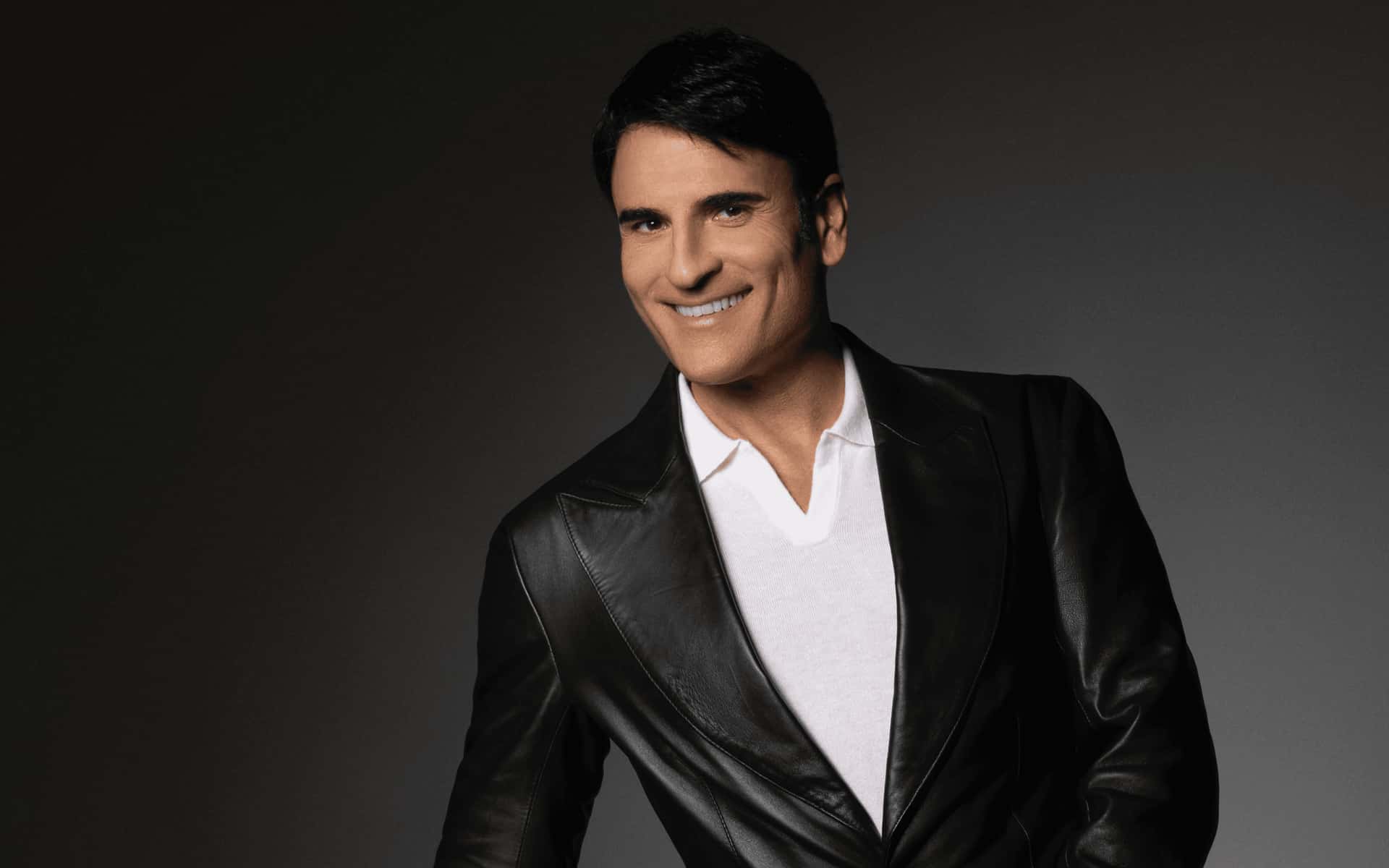
Da qualche parte nel mondo i Blue si sono riuniti davanti a uno schermo per vedere l'esibizione di Sal Da Vinci che canta "Per Sempre Si".

![Il testo EIGHT dei LA DISPUTE è presente anche nell'album Here, hear ii. [ep] (2008)](/images/albums/30497/19494.jpg "Il testo EIGHT dei LA DISPUTE è presente anche nell'album Here, hear ii. [ep] (2008)")
 Giuffria
 Isis
Isis
 ASIA
ASIA
 The Muffs
 Hercules and Love Affair
 Fairweather
 Nat Stuckey
 Under The Influence Of Giants
 Sixx: A.M.
 Snot
Snot
 Dog Eat Dog
 Miranda Lambert