









I'm looking for a hard headed woman,
One who will take me for myself,
And if I find my hard headed woman,
I won't need nobody else, no, no, no.
I'm looking for a hard headed woman,
One who will make me do my best,
And if I find my hard headed woman
I know the rest of my life will be blessed -- yes, yes, yes.
I know a lot of fancy dancers,
People who can glide you on a floor,
They move so smooth but have no answers.
When you ask "Why'd you come here for?"
"I don't know" "Why?"
I know many fine feathered friends
But their friendliness depends on how you do.
They know many sure fired ways
To find out the one who pays
And how you do.
I'm looking for a hard headed woman,
One who will make me feel so good,
And if I find my hard headed woman,
I know my life will be as it should -- yes, yes, yes.
I'm looking for a hard headed woman,
One who will make me do my best,
And if I find my hard headed woman...
Cat Stevens, pseudonimo di Steven Demetre Georgiou, è un cantautore britannico nato a Londra il 21 luglio 1948. Attivo dal fine degli anni '60 fino al 1978, ha poi abbracciato l'Islam e cambiato nome in Yusuf Islam, continuando la sua carriera musicale con un approccio più spirituale. Stevens è noto per le sue melodie folk-rock malinconiche e introspettive, spesso accompagnate da testi poetici che esplorano temi di amore, perdita, fede e spiritualità. Tra i suoi brani più celebri figurano "Wild World", "Father and Son" e "Peace Train". L'album "Tea for the Tillerman" (1970) è considerato un classico del folk-rock britannico. Dopo il suo periodo di conversione, Yusuf Islam ha continuato a pubblicare musica con testi più religiosi, ma ha sempre mantenuto una sensibilità musicale raffinata e poetica.
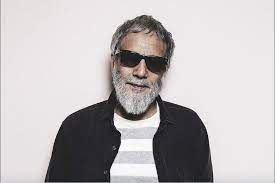
Ho letto una recente intervista di Yusuf/ Cat Stevens che mi ha molto commossa. L'artista britannico ha infatti dichiarato al Corriere della Sera, che ripensando al suo brano "Peace Train", si sente di affermare che quel treno non è mai partito: " vivere con gli altri è una vera e

 Mis-Teeq
 David Sylvian
 Jane Birkin
 The Exploited
 Paul Rodgers
 Ian Gillan
 Xtc
 The Stone Roses
 Martin L. Gore
 Jenny Lewis
 Raven
 Fad Gadget