










All around that dull gray world
From Moscow to Berlin
People storm the barricades
Walls go tumbling in
The counter revolution
People smiling through their tears
Who can give them back their lives
And all those wasted years?
All those precious wasted years
Who will pay?
All around that dull gray world
Of ideology
People storm the marketplace
And buy up fantasy
The counter revolution
At the counter of a store
People buy the things they want
And borrow for a little more
All those wasted years
All those precious wasted years
Who will pay?
Do we have to be forgiving at last?
What else can we do?
Do we have to say goodbye to the past?
Yes I guess we do
All around this great big world
All the crap we had to take
Bombs and basement fallout shelters
All our lives at stake
The bloody revolution
All the warheads in its wake
All the fear and suffering
All a big mistake
All those wasted years
All those precious wasted years
Who will pay?
Rush è una leggendaria band canadese di rock progressivo, attiva dal 1964 ad oggi. Formata da Geddy Lee (voce, basso, tastiere), Alex Lifeson (chitarra) e Neil Peart (batteria, percussioni), la band ha conquistato un seguito globale grazie alla sua musica complessa, virtuosistica e spesso filosofica. Rush è nota per i suoi concerti energici e coinvolgenti, caratterizzati da performance musicali di altissimo livello. Tra le loro canzoni più famose figurano "Tom Sawyer", "Limelight", "The Spirit of Radio" e "2112". L'album "Moving Pictures" (1981) è considerato uno dei capolavori del rock progressivo, mentre "Permanent Waves" (1980) ha segnato un importante passo verso sonorità più accessibili. Rush ha venduto oltre 40 milioni di album in tutto il mondo, consolidando la propria posizione tra le band più influenti della storia del rock.

Pesante, grossa, costosa e ci vuole un bel pò per accordarla. Ma fighissima e forse anche piuttosto utile: è la chitarra elettrica a doppio manico.

Di batteristi bravi ce ne sono tanti e, quando si fa un elenco, si rischia sempre di fare un torto a qualcuno. La seguente classifica non ha un valore assoluto, ma è frutto di gusti personali. In ordine sparso:

 Metric
 Adam Gregory
 Constantines
 The Pursuit Of Happiness
 Parabelle
 Paul Brandt
 Dracula Entre L'Amour Et La Mort
 Bald Vulture
 Barzin
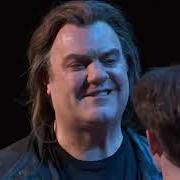 Sweeney Todd
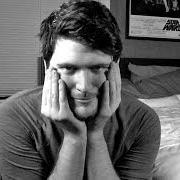 Comeback Kid
 Evans Blue