








I wish I knew, I wish I knew
What makes me, me, and what makes you, you.
It's just another point of view, ooo.
A state of mind I'm going through, yes.
So what I see is never true, ahhh.
I wish I could tell, I wish I could tell
What makes a heaven what makes a hell.
And do I get to ring my bell, ooo.
Or land up in some dusty cell, no.
While others reach the big hotel, yeah.
I wish I had, I wish I had
The secret of good, and the secret of bad.
Why does this question drive me mad? ahhh.
'Cause I was taught when but a lad, yes,
That bad was good and good was bad, ahhh.
I wish I knew the mystery of
That thing called hate, and that thing called love.
What makes the in-between so rough? ahhh.
Why is it always push and shove? ahhh
I guess I just don't know enough, yes.
Cat Stevens, pseudonimo di Steven Demetre Georgiou, è un cantautore britannico nato a Londra il 21 luglio 1948. Attivo dal fine degli anni '60 fino al 1978, ha poi abbracciato l'Islam e cambiato nome in Yusuf Islam, continuando la sua carriera musicale con un approccio più spirituale. Stevens è noto per le sue melodie folk-rock malinconiche e introspettive, spesso accompagnate da testi poetici che esplorano temi di amore, perdita, fede e spiritualità. Tra i suoi brani più celebri figurano "Wild World", "Father and Son" e "Peace Train". L'album "Tea for the Tillerman" (1970) è considerato un classico del folk-rock britannico. Dopo il suo periodo di conversione, Yusuf Islam ha continuato a pubblicare musica con testi più religiosi, ma ha sempre mantenuto una sensibilità musicale raffinata e poetica.
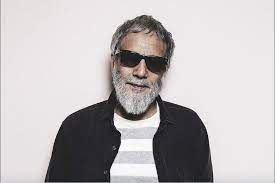
Ho letto una recente intervista di Yusuf/ Cat Stevens che mi ha molto commossa. L'artista britannico ha infatti dichiarato al Corriere della Sera, che ripensando al suo brano "Peace Train", si sente di affermare che quel treno non è mai partito: " vivere con gli altri è una vera e

 Tom Parker
 Attica Blues
 Fliptrix
 Connie Talbot
 L
 Ali G
 Swervedriver
 Manchester United Squad
 Sbtrkt
 Wishbone Ash
 Bad English
 Fairport Convention