








The dawn of century a boy born by a lake
Resettled from Karelia's plains
Go to a man in exile as the Great War came
Unleashed a shadow on his world
Witold, Witold, who knows his name?
Inmate in hell or a hero in prison?
Soldier in Auschwitz who knows his name
Locked in a cell, waging war from the prison
Hiding in Auschwitz who hides behind 4859
Outside of [?] decided to brake free
The end of April ?43
Joined the Uprising, fight on the streets while hiding his rank
Takes command (all for) serving his country in need
Witold, Witold, who knows his name?
Inmate in hell or a hero in prison?
Soldier in Auschwitz who knows his name
Locked in a cell, waging war from the prison
Hiding in Auschwitz who hides behind 4859
Sent to the prison where the heroes are judged as traitors
Accused of treason by his own
Sentenced by countrymen under pressure of foreign influence
Men he once fought to free
Inmate in hell or a hero in prison?
Soldier in Auschwitz we know his name
Locked in a cell, waging war from the prison
Hiding in Auschwitz he hides behind 4859
Sabaton è un gruppo musicale svedese di power metal e heavy metal, formatosi a Falun nel 1999 da Joakim Brodén (voce) e Pär Sundström (basso). La band si distingue per la sua musica epica e le liriche incentrate su eventi storici militari, spesso con un focus sui conflitti del XX secolo. Tra i loro album più noti figurano "Primo Victoria" (2003), "The Art of War" (2008) e "Heroes" (2014). Sabaton ha raggiunto una grande popolarità internazionale grazie ai concerti energici e al coinvolgimento dei fan, diventando un punto di riferimento per il genere power metal storico. Tra i brani più rappresentativi si annoverano "Primo Victoria", "Ghost Division", "Winged Hussars" e "The Last Stand".

I Sabaton omaggiano Max Pezzali con una versione power metal di "Una Canzone D'Amore".

 General Surgery
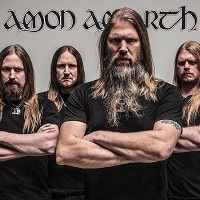 Amon Amarth
 Stormwind
 Jens Lekman
 Galenskaparna
 Jay Jay Johanson
 Thomas Di Leva
 Barbados
 Elliphant
 Secret Service
 Notch
 Blodsrit