









All that you can do is wish them well
All that you can do is wish them well [x2]
Spirits turned bitter by the poison of envy
Always angry and dissatisfied
Even the lost ones, the frightened and mean ones
Even the ones with a devil inside
Thank your stars you're not that way
Turn your back and walk away
Don't even pause and ask them why
Turn around and say goodbye
All that you can do is wish them well
All that you can do is wish them well
People who judge without a measure of mercy
All the victims who will never learn
Even the lost ones, you can only give up on
Even the ones who make you burn
Thank your stars you're not that way
Turn your back and walk away
Don't even pause and ask them why
Turn around and say goodbye [x2]
The ones who've done you wrong
The ones who pretended to be so strong
The grudges you've held for so long
It's not worth singing that same sad song [x2]
Thank your stars you're not that way
Turn your back and walk away
Don't even pause and ask them why
Turn around and say goodbye [x2]
All that you can do is wish them well
All that you can do is wish them well
All that you can do is wish them well
Even though you're going through hell
Just keep on going
Let the demons dwell
Just wish them well
Rush è una leggendaria band canadese di rock progressivo, attiva dal 1964 ad oggi. Formata da Geddy Lee (voce, basso, tastiere), Alex Lifeson (chitarra) e Neil Peart (batteria, percussioni), la band ha conquistato un seguito globale grazie alla sua musica complessa, virtuosistica e spesso filosofica. Rush è nota per i suoi concerti energici e coinvolgenti, caratterizzati da performance musicali di altissimo livello. Tra le loro canzoni più famose figurano "Tom Sawyer", "Limelight", "The Spirit of Radio" e "2112". L'album "Moving Pictures" (1981) è considerato uno dei capolavori del rock progressivo, mentre "Permanent Waves" (1980) ha segnato un importante passo verso sonorità più accessibili. Rush ha venduto oltre 40 milioni di album in tutto il mondo, consolidando la propria posizione tra le band più influenti della storia del rock.

Pesante, grossa, costosa e ci vuole un bel pò per accordarla. Ma fighissima e forse anche piuttosto utile: è la chitarra elettrica a doppio manico.

Di batteristi bravi ce ne sono tanti e, quando si fa un elenco, si rischia sempre di fare un torto a qualcuno. La seguente classifica non ha un valore assoluto, ma è frutto di gusti personali. In ordine sparso:

 Jeremy Fisher
 Mother Mother
 Donovan Woods
 Max Webster
 Molly Johnson
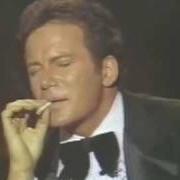 William Shatner
 Emm Gryner
 Gage
 Tom Green
 Bruce Cockburn
 Tokyo Police Club
 The Strumbellas