









Cat’s in the Yard
Fancy free
Dog barges round, says,
“You can’t catch me!
No siree.”
There was a time
When I was younger
I’d chase the tail
Of any danger
About to learn
About to learn
Cat jumps a fence
Lands in a pram
Baby screams, “Mama!”
Out runs the man
Cat gets the can
There was a time
When I was bolder
I’d chase the heels
Of any stranger
About to learn
About to learn
Cat’s In a cage
Chained to a stone
Empty Bowl by his side
Just an old fish bone
Dreams of home
There was a time
A long way back
When I would fall
For any dog trap
About to learn
About to learn
About to learn
About to learn
Cat Stevens, pseudonimo di Steven Demetre Georgiou, è un cantautore britannico nato a Londra il 21 luglio 1948. Attivo dal fine degli anni '60 fino al 1978, ha poi abbracciato l'Islam e cambiato nome in Yusuf Islam, continuando la sua carriera musicale con un approccio più spirituale. Stevens è noto per le sue melodie folk-rock malinconiche e introspettive, spesso accompagnate da testi poetici che esplorano temi di amore, perdita, fede e spiritualità. Tra i suoi brani più celebri figurano "Wild World", "Father and Son" e "Peace Train". L'album "Tea for the Tillerman" (1970) è considerato un classico del folk-rock britannico. Dopo il suo periodo di conversione, Yusuf Islam ha continuato a pubblicare musica con testi più religiosi, ma ha sempre mantenuto una sensibilità musicale raffinata e poetica.
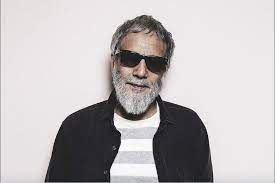
Ho letto una recente intervista di Yusuf/ Cat Stevens che mi ha molto commossa. L'artista britannico ha infatti dichiarato al Corriere della Sera, che ripensando al suo brano "Peace Train", si sente di affermare che quel treno non è mai partito: " vivere con gli altri è una vera e

 Reg Presley
 Code Red
 Seals & Crofts
 The Farmer's Boys
 Jamie Woon
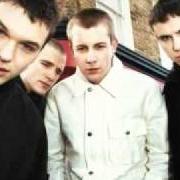 The Ordinary Boys
 The Futureheads
 Oracle
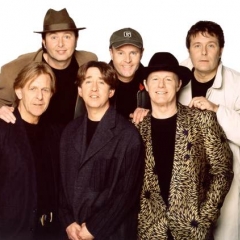 The Hollies
 Sheila Chandra
 China Drum
 Mikey Craig