






I was raised in Babylon
Our priests taught us how to worship the sun
Wo! Where did we go wrong?
They used to call us civilised – but those days are gone
I came to guard the Pharaoh
Bring him wine and women
Oh Lord! Where is he now?
We used call him the highest – till the wave took him down
I was born in the Holy Land
They told me it was by God’s command
Wo! Where are the others from?
I thought that we were the chosen – I must’ve been wrong
I loved to march with the Sultan
And his diamond turban
Oh Lord! Then the world took hold
Let go of the rope of God – for a handful of gold
I used to serve the Empire
On which the sun set, never
Oh! Now times have turned
We thought our white skins would save us –
then we got burned
Cat Stevens, pseudonimo di Steven Demetre Georgiou, è un cantautore britannico nato a Londra il 21 luglio 1948. Attivo dal fine degli anni '60 fino al 1978, ha poi abbracciato l'Islam e cambiato nome in Yusuf Islam, continuando la sua carriera musicale con un approccio più spirituale. Stevens è noto per le sue melodie folk-rock malinconiche e introspettive, spesso accompagnate da testi poetici che esplorano temi di amore, perdita, fede e spiritualità. Tra i suoi brani più celebri figurano "Wild World", "Father and Son" e "Peace Train". L'album "Tea for the Tillerman" (1970) è considerato un classico del folk-rock britannico. Dopo il suo periodo di conversione, Yusuf Islam ha continuato a pubblicare musica con testi più religiosi, ma ha sempre mantenuto una sensibilità musicale raffinata e poetica.
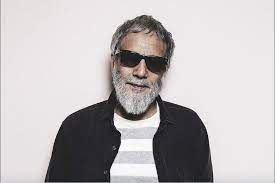
Ho letto una recente intervista di Yusuf/ Cat Stevens che mi ha molto commossa. L'artista britannico ha infatti dichiarato al Corriere della Sera, che ripensando al suo brano "Peace Train", si sente di affermare che quel treno non è mai partito: " vivere con gli altri è una vera e

 Captain
 Seth Lakeman
 Mikey Craig
 Subhumans
 The Boy Least Likely To
 Paloma Faith
 The Blow Monkeys
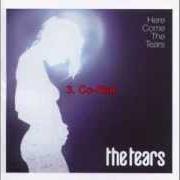 The Tears
 Little Barrie
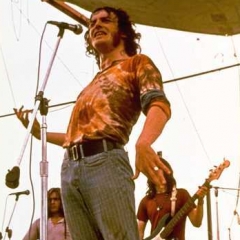 Joe Cocker
 Charles & Eddie
 Robert Wyatt