









You left me wearing nothing but a shell
You left me wearing nothing but a shell
This feeling you've left me,
Is the image of hell
I thought that you loved me
Ah, but then I never could tell
I thought that you loved me
But then I never could tell
This feeling you left me
Is the image of hell
If you loved me like you said that you did
Oh, then darling you couldn't have done the things
That you did
You walk by my door, but you don't ring my bell
You walk by my door, but you don't ring my bell
This feeling you've left me, is the image of hell
Cat Stevens, pseudonimo di Steven Demetre Georgiou, è un cantautore britannico nato a Londra il 21 luglio 1948. Attivo dal fine degli anni '60 fino al 1978, ha poi abbracciato l'Islam e cambiato nome in Yusuf Islam, continuando la sua carriera musicale con un approccio più spirituale. Stevens è noto per le sue melodie folk-rock malinconiche e introspettive, spesso accompagnate da testi poetici che esplorano temi di amore, perdita, fede e spiritualità. Tra i suoi brani più celebri figurano "Wild World", "Father and Son" e "Peace Train". L'album "Tea for the Tillerman" (1970) è considerato un classico del folk-rock britannico. Dopo il suo periodo di conversione, Yusuf Islam ha continuato a pubblicare musica con testi più religiosi, ma ha sempre mantenuto una sensibilità musicale raffinata e poetica.
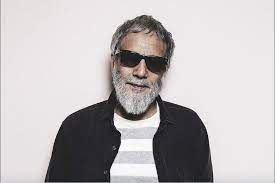
Ho letto una recente intervista di Yusuf/ Cat Stevens che mi ha molto commossa. L'artista britannico ha infatti dichiarato al Corriere della Sera, che ripensando al suo brano "Peace Train", si sente di affermare che quel treno non è mai partito: " vivere con gli altri è una vera e

 Andy Gibb
 The Cooper Temple Clause
 Clap Your Hands Say Yeah
 Amethyst
 The Other Two
 The Zico Chain
 London After Midnight
 Bitch Alert
 Paper Lace
 Larrikin Love
 Simian
 Brakes