









I know I think a lot
but somehow it just doesn't help
it only makes it worse
The more I think
The more I know
the more it hurts
With only solitude to meet me like a friend
oh, where are you?
where are you ? where are you?
Maybe she sits alone
beyond the storm
across the raging torrent of the sea
she knows I want her
and she knows I'll always be...
How can I live without the love I cannot see
Oh where are you?
where are you ?
where are you?
oooooooohhhh
I know there's someone there
I hear her breathe
behind the silence of the dark
but I know that I wont see
'til we open up our eyes together
She'll look at me
What a moment that moment will be!
And she looks so light
I could fly her through the night
oooh
I know I think a lot
but somehow it just doesn't help
it only goes to show
that what you never miss
you never know
but I have loved you from the moment that we knew
oh, I love you
I love you
but where are you?
Cat Stevens, pseudonimo di Steven Demetre Georgiou, è un cantautore britannico nato a Londra il 21 luglio 1948. Attivo dal fine degli anni '60 fino al 1978, ha poi abbracciato l'Islam e cambiato nome in Yusuf Islam, continuando la sua carriera musicale con un approccio più spirituale. Stevens è noto per le sue melodie folk-rock malinconiche e introspettive, spesso accompagnate da testi poetici che esplorano temi di amore, perdita, fede e spiritualità. Tra i suoi brani più celebri figurano "Wild World", "Father and Son" e "Peace Train". L'album "Tea for the Tillerman" (1970) è considerato un classico del folk-rock britannico. Dopo il suo periodo di conversione, Yusuf Islam ha continuato a pubblicare musica con testi più religiosi, ma ha sempre mantenuto una sensibilità musicale raffinata e poetica.
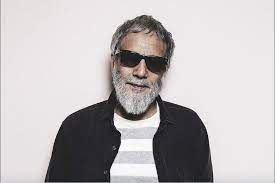
Ho letto una recente intervista di Yusuf/ Cat Stevens che mi ha molto commossa. L'artista britannico ha infatti dichiarato al Corriere della Sera, che ripensando al suo brano "Peace Train", si sente di affermare che quel treno non è mai partito: " vivere con gli altri è una vera e

 Tommy Korberg
 The Fool
 Spunge
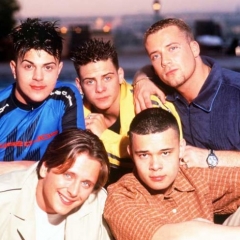 Five
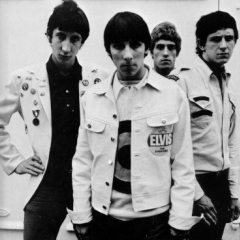 The Who
 The Blow Monkeys
 The Wedding Present
 A Flock Of Seagulls
 Gary Barlow
 Tracey Ullman
 Adam Ant
 Stereolab