







Bop bop re bop bop bop
Bop bop re bop bop bop
Do it til you bonk it
It tried on and un-reluctant
Do it til you bonk it
It tried on and un-reluctant
Re bop bop re bop bop bop
Re bop re bop
Do it til you bonk it
It tried on and un-reluctant
Re bop bop re bop bop bop
Re bop re bop
Do it til you bonk it
It tried on and un-reluctant
Bop bop re bop
You do the re bop and you twine on and on, top ten
You do the re bop and you twine on and on, top ten
Re bop re bop re bop bop
Re bop re bop re bop bop
Do is involve get the twine on and on
Top ten re bop re bop bop
You do the re bop and you twine on and on
And come to know Ted
Hey bop bop
You do the re bop and you twine on and on, top ten
Re bop bop bop bop
Re bop re bop re bop bop bop bop
You do the re bop and you twine on and on
Re bop bop bop bop
Re bop bop bop bop
You do the re bop and you twine on and on
John Cale è un musicista e compositore gallese, nato nel 1942. Dopo aver studiato musica a Londra e New York, si è unito ai The Velvet Underground nel 1965, contribuendo in modo significativo al loro sound sperimentale e distintivo nei primi due album. Cale introdusse il suono drone della viola, elemento caratteristico di brani come "Venus In Furs". Dopo l'album "White Light/White Heat", ha lasciato la band a causa di divergenze musicali con Lou Reed. Cale desiderava continuare ad esplorare sonorità sperimentali, mentre Reed si orientava verso canzoni pop più semplici. Cale ha intrapreso una carriera solista di successo, pubblicando album come "Vintage Violence" (1970) e "Paris 1919" (1973), influenzando generi musicali come il rock sperimentale, l'ambient e la musica elettronica. Tra i suoi brani più rappresentativi si ricordano "Gideon", "The Endless Plain of Glass" e "Hallelujah".

Talento puro ignorato in vita, fino al suicidio. Oggi è di culto.

 Ben Kenney
 The Blood Brothers
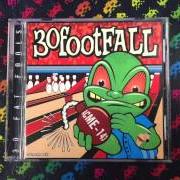 30 Foot Fall
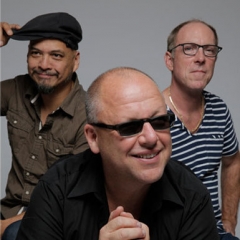 Pixies
 Everyday Sunday
 Toya
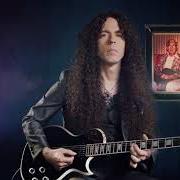 Marty Friedman
 Montgomery Gentry
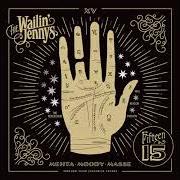 The Wailin' Jennys
 Papoose
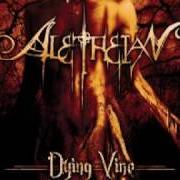 Aletheian
 Diamond Rio