




Katie stood on the benches
Waiting for the day to stop chasing her, the fading dark
Standing out in the twilight
Searching in the distant light, looking for her ship
And the night's so pale, ghost of yesterday
A misty rail gliding the dawn
But soon her ship approaches relentlessly
Is it morning and light?
I'm crying for dawn
Crying for dawn
Is it crying for her?
Crying for her, crying
Katie wonders her memories
Tripping up on visions lost, holding up the final cost
Losing sense of her future
Dissipated in this light, she is needing dawn
And the night's so pale, ghost of yesterday
A misty rail gliding the dawn
But soon her ship approaches relentlessly
Is it morning and light?
I'm crying for dawn
Crying for dawn
Is it crying for her?
Crying for her, crying
Crying?
And the night's so pale, ghost of yesterday
A misty rail gliding the dawn
But soon her ship approaches relentlessly
Is it morning and light?
I'm crying for dawn
Is it crying for her?
Is it crying for her dawn?
Is it crying?
Katie stood on the benches
Katie stood on the benches
John Cale è un musicista e compositore gallese, nato nel 1942. Dopo aver studiato musica a Londra e New York, si è unito ai The Velvet Underground nel 1965, contribuendo in modo significativo al loro sound sperimentale e distintivo nei primi due album. Cale introdusse il suono drone della viola, elemento caratteristico di brani come "Venus In Furs". Dopo l'album "White Light/White Heat", ha lasciato la band a causa di divergenze musicali con Lou Reed. Cale desiderava continuare ad esplorare sonorità sperimentali, mentre Reed si orientava verso canzoni pop più semplici. Cale ha intrapreso una carriera solista di successo, pubblicando album come "Vintage Violence" (1970) e "Paris 1919" (1973), influenzando generi musicali come il rock sperimentale, l'ambient e la musica elettronica. Tra i suoi brani più rappresentativi si ricordano "Gideon", "The Endless Plain of Glass" e "Hallelujah".

Talento puro ignorato in vita, fino al suicidio. Oggi è di culto.

 Forever The Sickest Kids
 Nausea
 Dru Hill
 Unity
 The White Stripes
 Bruce Hornsby
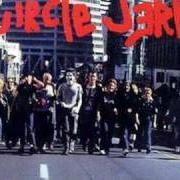 The Circle Jerks
 Billy Eckstine
 Lou Monte
 The Devil Wears Prada
 Glen Campbell
 Cledus T. Judd