










[Originally by The Who]
I've looked under chairs
I've looked under tables
I've tried to find the key
To fifty million fables
[Chorus:]
They call me The Seeker
I've been searching low and high
I won't get to get what I'm after
Till the day I die
I asked Bobby Dylan
I asked The Beatles
I asked Timothy Leary
But he couldn't help me either
[Chorus]
People tend to hate me
'Cause I never smile
As I ransack their homes
They want to shake my hand
Focusing on nowhere
Investigating miles
I'm a seeker
I'm a really desperate man
I won't get to get what I'm after
Till the day I die
I learned how to raise my voice in anger
Yeah, but look at my face, ain't this a smile?
I'm happy when life's good
And when it's bad I cry
I've got values but I don't know how or why
I'm looking for me
You're looking for you
We're looking in at other
And we don't know what to do
[Chorus]
Rush è una leggendaria band canadese di rock progressivo, attiva dal 1964 ad oggi. Formata da Geddy Lee (voce, basso, tastiere), Alex Lifeson (chitarra) e Neil Peart (batteria, percussioni), la band ha conquistato un seguito globale grazie alla sua musica complessa, virtuosistica e spesso filosofica. Rush è nota per i suoi concerti energici e coinvolgenti, caratterizzati da performance musicali di altissimo livello. Tra le loro canzoni più famose figurano "Tom Sawyer", "Limelight", "The Spirit of Radio" e "2112". L'album "Moving Pictures" (1981) è considerato uno dei capolavori del rock progressivo, mentre "Permanent Waves" (1980) ha segnato un importante passo verso sonorità più accessibili. Rush ha venduto oltre 40 milioni di album in tutto il mondo, consolidando la propria posizione tra le band più influenti della storia del rock.

Pesante, grossa, costosa e ci vuole un bel pò per accordarla. Ma fighissima e forse anche piuttosto utile: è la chitarra elettrica a doppio manico.

Di batteristi bravi ce ne sono tanti e, quando si fa un elenco, si rischia sempre di fare un torto a qualcuno. La seguente classifica non ha un valore assoluto, ma è frutto di gusti personali. In ordine sparso:

 Sweeney Todd
 Ekali
 Loco Locass
 France Joli
 Anvil
 Coeur De Pirate
 Nelly Furtado
 Priestess
 Headstones
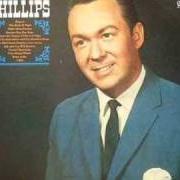 Stu Phillips
 Sam Roberts
 Dvbbs