






(Perspektiven / Perspectives)
[Spoken in English:]
Laibach takes over an organisational system of work, after the model of
Industrial production and totalitarism, collective spirit, identification
With ideology, which means: not the individual, but the organisation
Speaks. Our work is industrial, our language political. Laibach is a
Recognition of time universality. it's organisational activity is an
Intense agitation and a constant systematic propagating, ideological
Offensive. Any social activity affects the mass. Laibach functions as a
Creative allusion of strict institutionality, identification with
Institution, as stock theatre, or popular culture with a centralized
Programme. One transmitter and a multitude of receivers, and with a
Communication through uncommunication. Laibach's musical approach is a
Move to the area of pure politization of sounds as a means of manipulating
The masses. When, in politically and economically complicated situations,
The antagonism in society is becoming strained, only force remains as the
Ultima ratio of social integration. The force must adopt the form of
Systematic, physical and psychic terror, organized in accordance with
Social relations. Terror is obtaining a function of productional power,
Which extorts discipline and an adaptation of the mass, to the existing
Productional relations, and the existing productional apparatus. For the
Totalitarian form of government, the systematic terror becomes a
Constitutional instrument of authority. Through the mystic,
Erotic-mythological sound, constitution of an ambivalence between fear and
Fascination, which rudimentarily affects the consciousness of people,
Through stage performances of ritualized demonstration of political power,
And through other manipulative means of an individual, Laibach practises a
Sound force, in a form of systematic, psycho-physical terror as social
Organisational principle, in order to effectively discipline and raise a
Feeling of total adherence bond of a certain, revolted and alienated
Audience, which results in a state of collective [athasia?], which is the
Principle of social organisation. In this sense, the function of Laibach,
Sound constructions, and of rock concerts is to challenge collective
Emotions and automatic associations, and as such it serves as the means of
Working stimulation. By darkening the consumer's mind, it drives him into
A state of humble contrition and total obedience, self-sacrifice, by
Destroying every trait of individuality, it melts the individuals into a
Mass, and mass into a humble, collective body. The dualism of Laibach's
Message, perception and receiver's structure uncovers the social neurosis.
Laibach unites the biters and antagonistics into an expression of static,
Totalitarism cry. Our basic inspiration, ideals which are not ideals to
Their form, but the material of Laibach, manipulation of self, remains an
Industrial production: art of the Third Reich, totalitarism, taylorism,
Bruitism, disco. Disco rhythm, as a regular repetition, is the purest, the
Most radical form of the militantly organised rhythmicity of technicist
Production, and as such the most appropriate means of media manipulation.
As an archetypal structural basis of the collective unconscious in a
Worker mass, it stimulates automatic mechanism, and shapes
Industrialisation of consciousness, which is necessary in the logic of
Massive, totalitarian, industrial production.
[I had to write this one down by ear... Took me hours.]
Laibach è un gruppo musicale sloveno di avant-garde, fortemente associato agli stili musicali industrial, martial e neoclassico. Fondato il 1° giugno 1980 a Trbovlje, in Slovenia (all'epoca Jugoslavia), Laibach rappresenta l'ala musicale del collettivo artistico Neue Slowenische Kunst (NSK), di cui è stato membro fondatore nel 1984. Il nome "Laibach" deriva dal nome tedesco di Lubiana, la capitale della Slovenia. Il gruppo è noto per le sue performance teatrali e scenografiche elaborate, spesso con temi politici e sociali. Laibach ha collaborato con artisti come Merzbow e i Rammstein, ed è stato influenzato da compositori classici come Igor Stravinskij. Tra i brani più rappresentativi figurano "Life is Life", "Tanz mit mir" e "Geburt", mentre tra gli album di maggior successo ricordiamo "Opus Dei" (1988) e "NATO" (2006).
Il comparto sonoro è uno degli elementi più importanti ma meno notati nel mondo del videogioco. Una colonna sonora azzeccata trasforma un'azione semplice in un momento indimenticabile, guida la concentrazione e crea un legame emotivo con lo schermo. Dai primi bip elettronici degli anni Settanta fino alle composizioni orchestrali contemporanee, il suono ha smesso di essere un semplice contorno per diventare un motore d'immersione fondamentale in qualsiasi software interattivo.
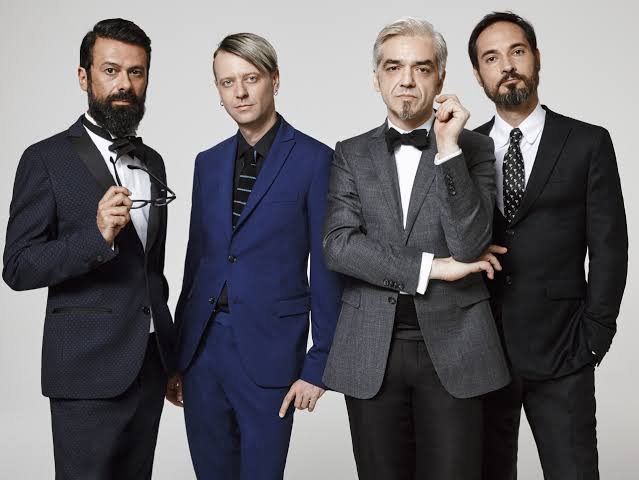
Dopo il grande riscontro nei liv del periodo primavera estate 2026, i Bluvertigo sono pronti per il nuovo album, con una notevole quantità di brani già pronti.
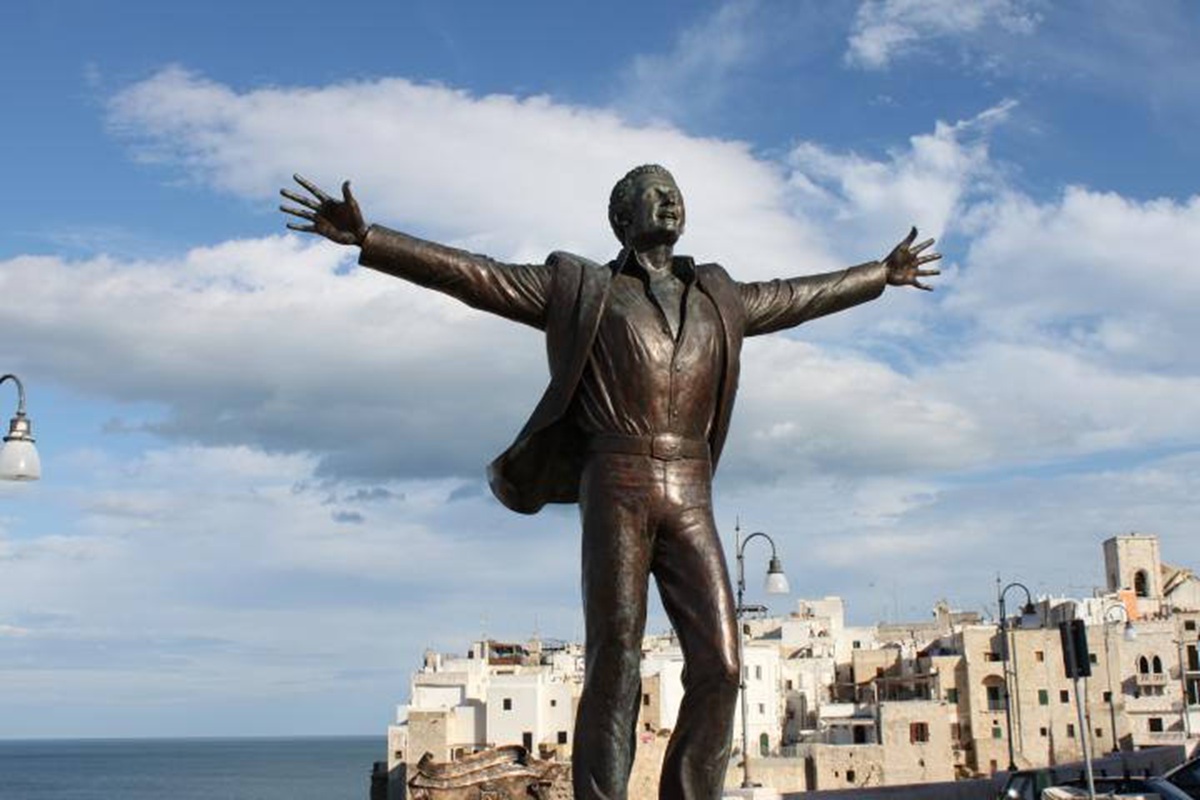
Volare è una delle aspirazioni più antiche dell'essere umano. Prima ancora che la tecnologia rendesse possibile attraversare il cielo, il volo rappresentava già la libertà, il superamento dei limiti e la possibilità di osservare il mondo da una prospettiva diversa. Nel corso dei secoli, questo desiderio ha trovato spazio nei miti, nella letteratura, nel cinema, nei giochi e, soprattutto, nella musica. Dal mito greco di Icaro ai disegni delle macchine volanti di Leonardo da Vinci, l'uomo ha sempre provato a trasformare il cielo in un luogo da raggiungere. Il volo, però, non è soltanto un movimento fisico: è anche una potente metafora della fantasia, dell'amore, del successo e della fuga dalla quotidianità.
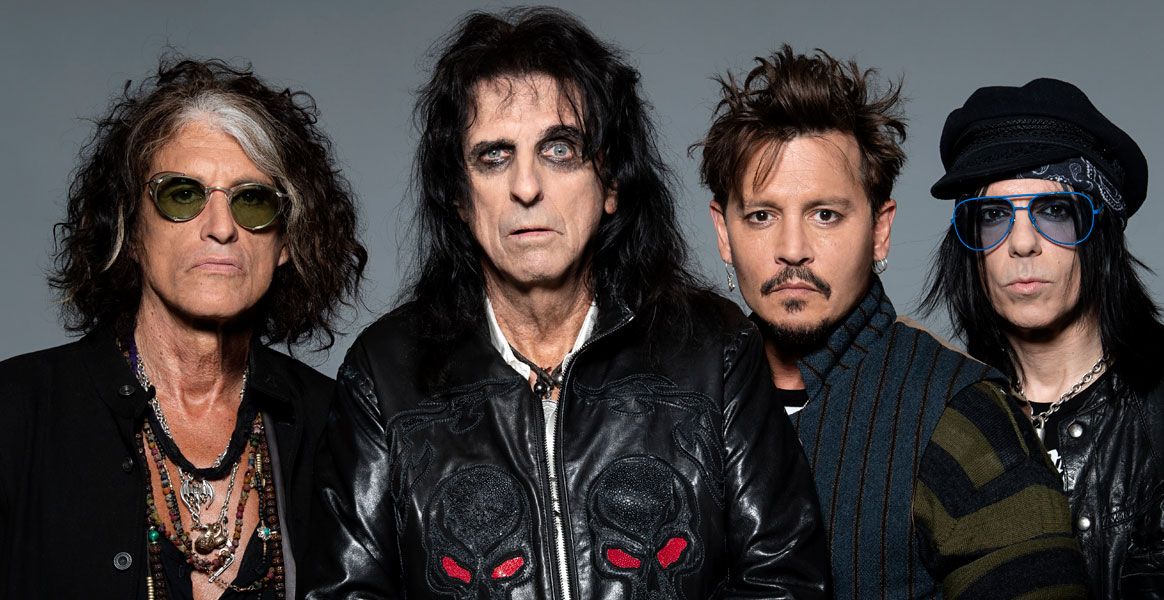
Il supergruppo di Alice Cooper e Johnny Depp è pronto a tornare in Italia con 2 date nel mese di settembre.
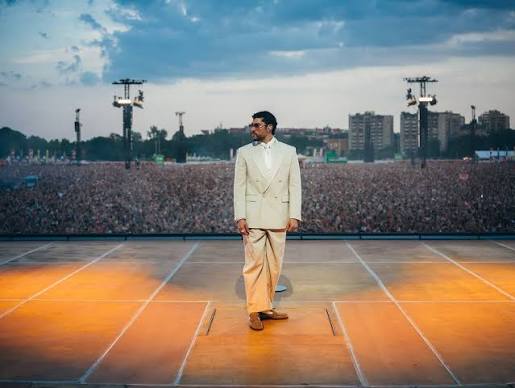
"Era uno dei concerti migliori della mia vita". Bad Bunny è tornato a parlare dell'evento tenuto sabato scorso all'Ippodromo La Maura nella zona San Siro di Milano. E la grandine riapre il problema sicurezza dell'impianto.

Noemi dovrà osservare 4 settimane di riposo dopo la caduta, ma dal 16 agosto sarà un tour de force per recuperare i live rinviati. Ecco tutte le date fino a settembre.
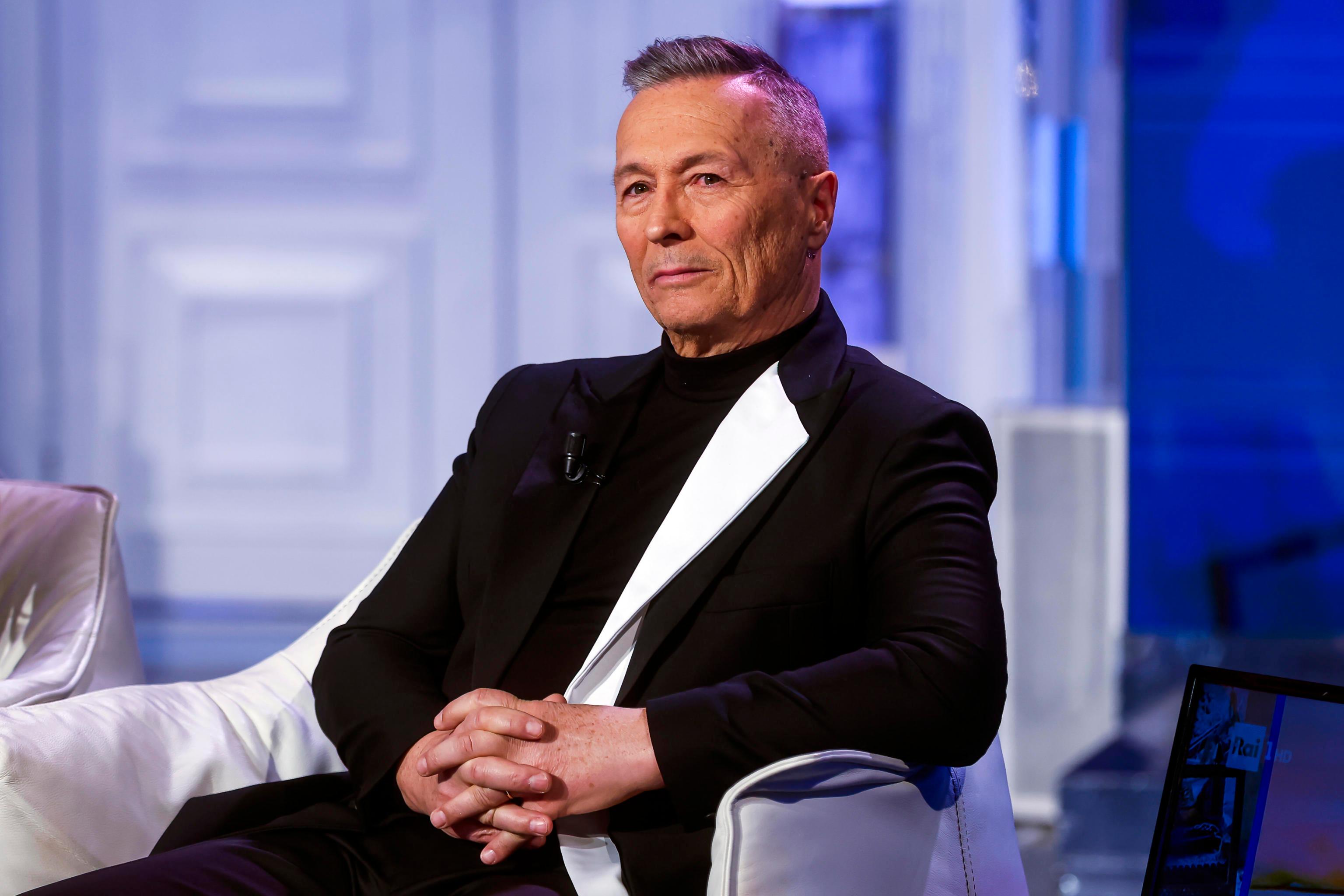
Lo scorso 13 luglio Paolo Belli era in bicicletta tra Correggio e Campagnola, in provincia di Reggio Emilia, per la sua solita sgambata, quando ha investito un uomo di 41 anni di nome Alessandro Mignani che, trasportato in ospedale, dopo 1 giorno in terapia intensiva, è deceduto.
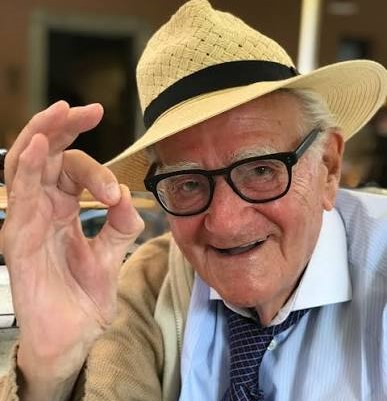
L'11 luglio Teddy Reno ha compiuto 100 anni! E' il primo cantante italiano a raggiungere questo traguardo.
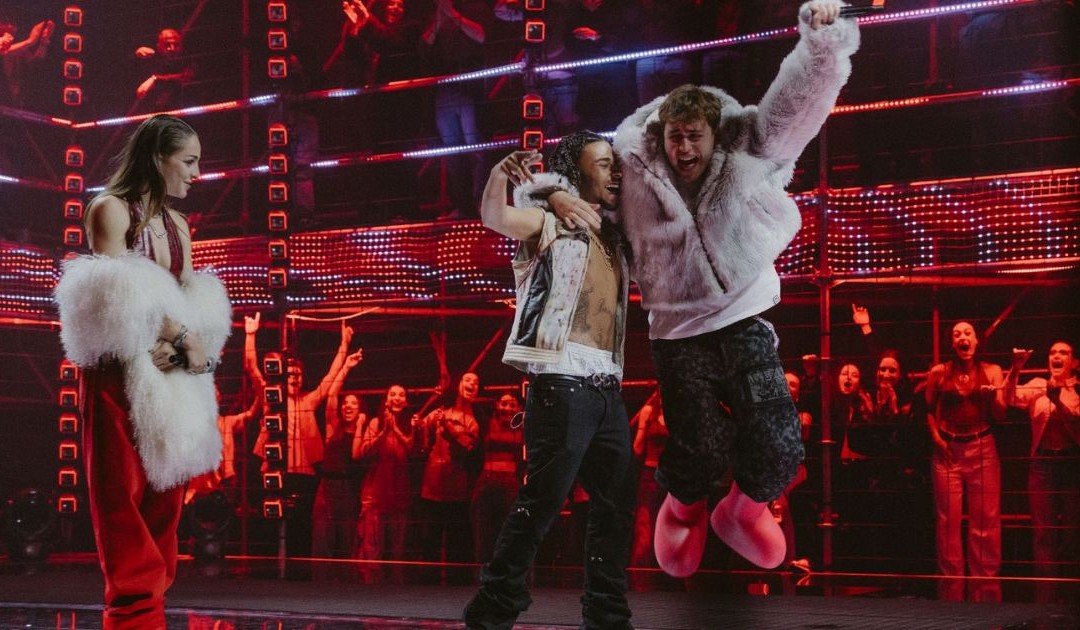
Nella terza edizione di "Nuova Scena", talent dedicato al mondo rap in onda su Netflix, si sono aggiudicati la vittoria i cosentini Flextony e Tigerplug.

 Thomas Azier
 Seriuz Playa & Jemi Aden
 Motorjesus
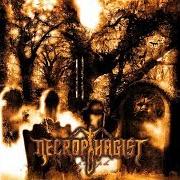 Necrophagist
 Pongo
Pongo
 Wizard
 Travoltas
 Mero
Mero
 Ok Kid
 Pink Cream 69
 Eisregen
 Guus Meeuwis